
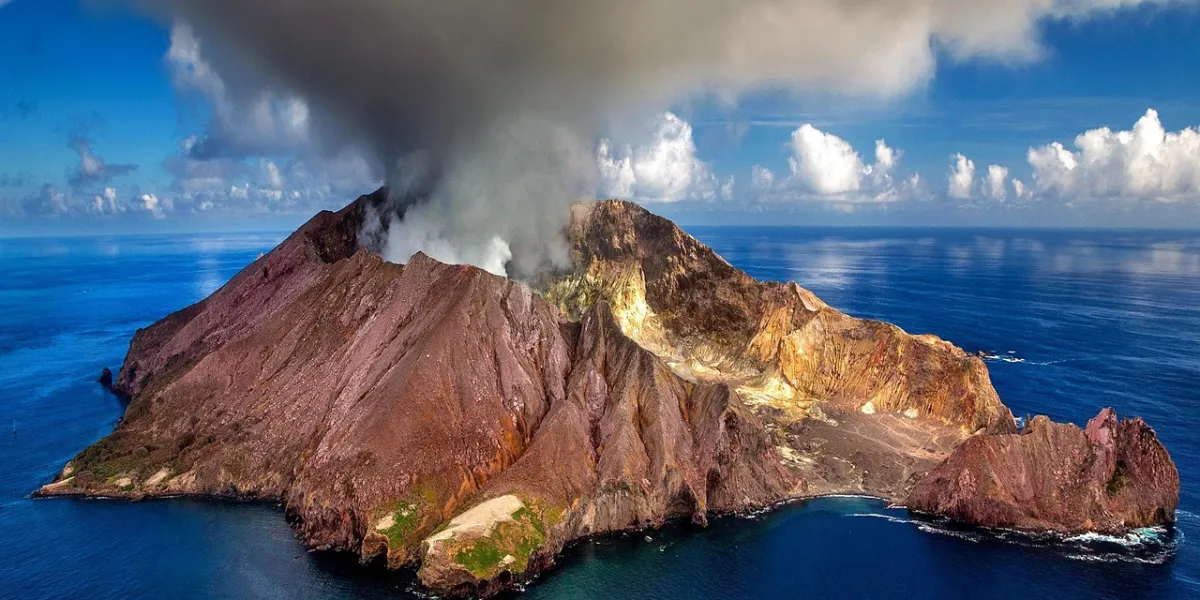



















© Julius_Silver · Pixabay

New Zealand North Island
Road trip between Northland, the volcanic plateau and Cook Strait

Motorhome hire on the North Island

Northland beaches, central plateau volcanoes and a windswept coast, departing from Auckland and Wellington

departure cities
2
rental partners
19
branches
26
rental companies in Auckland
19
as the crow flies between Auckland and Wellington
493 km
  • Pick-ups in Auckland and Wellington
  • Nineteen rental companies in Auckland, including Maui, Britz, Apollo and Kiwi Campers
  • Jucy Rentals and Pacific Horizon at both pick-up points
  • Driving on the left, roads often narrow and winding
  • Northland, Coromandel, Rotorua, Tongariro, Wairarapa
  • Sea at 22 °C in Auckland in January and February
  • Ferry from Wellington to the South Island, subject to the rental company's approval

Hiring a motorhome on the North Island means covering, in just a few days, landscapes that could hardly be more different: golden sand beaches and kauri forests in the north, the Coromandel Peninsula, geothermal land around Rotorua, Lake Taupō and the volcanoes of Tongariro National Park, then vineyards and wind-battered coasts near the capital. Two departure cities are available: Auckland and Wellington, at either end of the island.

Auckland holds most of the offer, with nineteen rental companies, and Wellington has two, Jucy Rentals and Pacific Horizon. You drive on the left, on winding roads that slow your average speed: distances look short on the map, but they take more time than you expect. The weather changes quickly in every season.

North Island

Where to pick up your motorhome on the North Island?

Choose your departure city: the map shows where rental companies hand over their vehicles.

Return to another city
Road trip ideas

The best itineraries on the North Island

1 Northland and the Bay of Islands, from Auckland to Cape Reinga 6 to 9 days about 900 km
  1. Auckland
  2. Whangarei
  3. Paihia
  4. Cape Reinga
  5. Waipoua Forest
  6. Auckland

The road leaves Auckland heading north, follows the Pacific coast and reaches the Bay of Islands around Paihia and Russell, with its calm waters and the islets of the harbour. It then climbs to the Aupouri Peninsula and Cape Reinga, where the two seas meet, before coming back down the west coast and the Waipoua Forest, home to some very large kauri trees.

The west coast roads are narrow and petrol stations are rare in the far north: fill up whenever you can. Ninety Mile Beach is not a track for a rental vehicle; most agreements prohibit it. Winter rains there are heavy.

Distance
about 900 km
Recommended vehicle
Coachbuilt motorhome or campervan
2 The Coromandel Peninsula, from Auckland 3 to 5 days about 450 km
  1. Auckland
  2. Thames
  3. Coromandel
  4. Whitianga
  5. Hot Water Beach
  6. Waihi
  7. Auckland

This loop follows the coast from Thames, where the road runs along the water, to the coves at the northern end of the peninsula. At Whitianga, you reach the east coast: Cathedral Cove, then Hot Water Beach, where at low tide you dig a pool in the sand to find hot water. The return passes through the Kauaeranga forests and Waihi.

The bends on the north coast between Thames and Coromandel are tight, with sheer drops on the sea side: a large vehicle needs caution there. In summer, beach car parks fill up early. Tide times matter for Hot Water Beach.

Distance
about 450 km
Recommended vehicle
Campervan or compact motorhome
3 From the Rotorua plateau to Wellington, right across the island 8 to 12 days about 850 km
  1. Auckland
  2. Waitomo
  3. Rotorua
  4. Taupō
  5. Tongariro National Park
  6. Whanganui
  7. Wellington

This route crosses the heart of the island: the Waitomo caves, then Rotorua, its geysers and mud pools, Lake Taupō and Tongariro National Park, with its three volcanoes. The road continues through the Whanganui River valley and the south of the island to Wellington.

It is the most natural route for a one-way rental between Auckland and Wellington, which depends on the rental company and the dates. Book nights in Rotorua and near Tongariro early in high season. The weather there can turn suddenly, even in summer, and snow falls in winter.

Distance
about 850 km
Recommended vehicle
Coachbuilt motorhome, all sizes
4 Wairarapa and Cape Palliser, from Wellington 3 to 4 days about 250 km
  1. Wellington
  2. Remutaka Pass
  3. Greytown
  4. Martinborough
  5. Cape Palliser
  6. Wellington

From Wellington, the road crosses the Remutaka Range and drops down to the vineyards of Martinborough and Greytown, small towns with colonial architecture. It then reaches the south coast and the Cape Palliser lighthouse, facing Cook Strait, the southernmost point of the island, with colonies of fur seals.

The last stretch to the lighthouse is a gravel road, often windy: check with the rental company whether your agreement allows it. Wellington's wind is famous; park the vehicle facing into the wind and avoid cliff edges in gusts.

Distance
about 250 km
Recommended vehicle
Campervan or compact motorhome
Weather and seasons

When to go on the North Island?

High season

December to February

December to February
highs of 21 to 23 °C, lows of 16 to 18 °C

The Australasian summer brings together the New Zealand school holidays, especially around Christmas and New Year: campsites and beach car parks fill up. In Auckland, highs reach 23.2 °C in February, with nearly twelve hours of sunshine a day in January. The sea rises to 22.6 °C. In Wellington, January receives only 46 mm of rain, but the wind remains notable.

Best time

March and April

March to April
highs of 20 to 22 °C, lows of 15 to 16 °C

The end of summer keeps the warmth and frees up the roads. In Auckland, March shows a high of 21.8 °C and a sea at 21.3 °C, while April drops to 19.7 °C and a sea at 19.3 °C. Rain picks up: 110 mm in April in Auckland, 98 mm in Wellington. It is a good period for swimming as well as for the parks.

Winter

May to August

May to August
highs of 14 to 17 °C, lows of 9 to 12 °C

Winter stays mild in the north, but wet: Auckland receives 137 mm of rain in July, over thirteen days. In Wellington, highs fall to 12.3 °C in July and August, with 6.5 hours of sunshine. The sea drops to 13 °C in Auckland in August. Nights are cool: plan for the vehicle's heating and check conditions on the central plateau.

Best time

September to November

September to November
highs of 16 to 19 °C, lows of 11 to 14 °C

Spring gets the days going again: in Auckland, sunshine rises from 9.3 hours in September to 11.2 hours in November, and the sea warms from 14.7 °C to 19.3 °C. Rain persists, with 114 mm in November. In Wellington, the high reaches 16.5 °C in November. Crowds are rare and the roads are clear.

Step by step

Renting on the North Island, step by step

  1. 1

    Choose your departure city

    Auckland opens up Northland, Coromandel and the central plateau; it is also where most long-haul flights arrive. Wellington suits Wairarapa, the south coast and the crossing to the South Island. A one-way rental between the two avoids the return trip, depending on the rental company and the dates.

  2. 2

    Compare offers

    Enter your dates and Auckland or Wellington: offers are displayed rental company by rental company, with the size, number of berths and equipment of each vehicle. Check whether the vehicle is certified self-contained if you want to sleep outside campsites.

  3. 3

    Book the nights and the ferry

    In December and January, book campsites at the most visited sites, such as the Bay of Islands, Coromandel and Rotorua. If you are crossing to the South Island, ask for the rental company's approval, then book the Interislander or Bluebridge crossing.

  4. 4

    Plan the pick-up and return

    Auckland's depots are mostly grouped in the south of the city, near the airport and its surroundings. Allow recovery time after a long flight and leave a margin for the return: empty the waste tanks and keep the depot's return hours in mind.

Practical tips

Everything to know before hitting the road

Driving on the left and winding roads

As everywhere in the country, you drive on the left, with the steering wheel on the right. Country roads are narrow, winding and sometimes single-lane on bridges: give way according to the signs. Count on a low average speed, often around sixty kilometres an hour, and take breaks rather than overtaking on bends.

Freedom camping and self-contained vehicles

Sleeping outside a campsite is called "freedom camping" here. Depending on the council, it is only permitted for certified self-contained vehicles, that is, those fitted with a toilet and grey water tank, and only at designated sites. Fines are high. Ask the rental company whether the vehicle carries this certification, and check each council's rules before stopping.

The Wellington ferry to the South Island

Two companies, Interislander and Bluebridge, link Wellington to Picton, on the South Island. A rental vehicle cannot always board: many rental companies require prior approval, or advise returning the vehicle in Wellington and picking up another in Picton. Discuss it before booking, and book the crossing in advance in summer.

Rotorua and its smell of sulphur

Rotorua's geothermal areas give off a persistent smell of sulphur; it disappears a few kilometres further on. The steaming pools are scalding: stay on the walkways. In the parks, natural hot springs can harbour amoebae in the water: check before bathing outside official facilities.

Tongariro and mountain weather

Tongariro National Park is a dual World Heritage site, natural and cultural, sacred to the Māori. Crossing the volcanoes on foot is a long high-altitude walk: it depends on the weather, which changes within hours, and shuttles organise the return. The surrounding roads are exposed to wind and can see snow or ice in winter.

What travellers ask

Your questions about a road trip on the North Island

Where can I hire a motorhome on the North Island?

In Auckland, nineteen rental companies operate, from Maui, Britz and Apollo to Kiwi Campers, Spaceships Rentals and Travellers Autobarn. In Wellington, Jucy Rentals and Pacific Horizon have a depot. The exact pick-up address is shown in your confirmation.

How many days should I allow on the North Island?

A week allows one area: Northland or Coromandel. Ten to twelve days are enough to cross the island from Auckland to Wellington, stopping at Rotorua, Taupō and Tongariro. Three weeks allow you to combine the north and the centre without counting the kilometres.

What is the most beautiful road on the North Island?

The choice depends on the landscape. The Coromandel coast and the Bay of Islands appeal to sea lovers, the road from Tongariro to Taupō to fans of volcanoes and lakes. Cape Palliser suits those who like wild coasts, away from the crowds.

Which departure city should I choose?

Choose Auckland if you arrive by air and are aiming for the north or the centre; the choice is widest there. Choose Wellington if you start with the south of the island or are continuing to the South Island. A one-way rental links the two cities, depending on the rental company.

Can you travel on the North Island in winter?

Yes, it is possible, but rain is frequent. Auckland receives 137 mm in July and Wellington 115 mm, with highs of 12.3 °C. The north of the island remains the mildest. In return, the roads are quieter and the campsites calmer; check conditions around Tongariro.

Verified customer reviews

They travelled on the North Island with CoolDrive Nomad

4.3
818 reviews

The car was very good. It's just that for tall people (I am 1.89m), it's short for sleeping lengthwise. With 20 cm more, it would have been more comfortable. But that's just something to know when you are tall. We also hadn't been really warned about the legislation regarding Self Contained vehicles in New Zealand. Since the vehicle did not meet these standards, we spent two months looking for free camping spots, often stressing about getting caught. But we faced zero fines in 2 months. Finally, the fridge never worked in the car, but we had just experienced that for a month and a half in Australia as well, so we were used to living without a fridge.

Lisa A.
New Zealand · Apr 2025
Avis Vérifiés

Reminder by phone, friendly welcome, quick responses to our questions... keep it up, until then, it's perfect...

H.
New Zealand · Feb 2025
Trustpilot

Very good responsiveness to solve a small reservation problem with our van. They found us the van that exactly matched our needs. Thank you for this responsiveness and efficiency.

D.
New Zealand · Nov 2024
Trustpilot
Frequently asked questions

FAQ — Motorhome hire on the North Island

Do I need a special licence to drive in New Zealand?

New Zealand accepts foreign licences for a limited period, provided they are written in English or accompanied by a translation. A French licence is written in French: bring an international driving permit or an official translation. The rental company states what it requires. Get used to driving on the left.

Where can I sleep in a motorhome on the North Island?

Campsites, holiday parks and sites run by the national conservation agency (DOC) are the simplest options. Freedom camping is often limited to certified self-contained vehicles, at sites designated by each council. The rules change: check locally and don't rely on an old sign.

Can I take the ferry to the South Island?

Yes, Interislander and Bluebridge link Wellington to Picton. Boarding with a rental vehicle depends on the rental company's approval, as conditions vary between agreements. Many travellers return the vehicle in Wellington and pick up another in Picton. Book in advance in high season.

Can I do a one-way rental between Auckland and Wellington?

It is sometimes possible: it depends on the rental company, the dates and the vehicles, and a supplement may apply. The advantage is not having to drive back more than eight hundred kilometres. Display the offer by choosing different pick-up and drop-off cities when searching.

Are there tolls or special restrictions?

Tolls are rare on the North Island; some sections, such as the Northern Gateway near Auckland, are paid online after you pass through. The rental company explains the procedure. Gravel roads or beaches may be excluded from the agreement: read the conditions before leaving the tarmac.

Can you swim on the North Island?

Yes, especially from December to April in the north. In Auckland, the sea reaches 22.5 °C in January and 22.6 °C in February; in Wellington, it stays cooler, at 18.5 °C in February. Watch the flags at patrolled beaches, as currents are strong on the west coast.

About us

Why take a motorhome trip on the North Island

The North Island brings together wild beaches, ancient forests, lakes, active volcanoes and a capital open to the sea within a short distance. A motorhome lets you sleep facing a bay, beside a lake or near a hot spring, and change scenery every day without repacking your bags.

Two departure cities cover the island from end to end: Auckland in the north, with the widest choice, and Wellington in the south, the gateway to the South Island. You can choose a short loop, or cross the island from one to the other as a one-way rental, leaving time for the weather.

Other destinations

Fancy exploring other regions?