

Intorno Rental company category:Standard
-
Intorno CuzcoCuzcoView map
Fitted 4x4 pick-ups and camper vans for the Sacred Valley and the Andes
Compare campervan and motorhome rental companies in Cusco to find the best price, and book at the price shown, mandatory fees included.
Hiring a campervan in Cusco puts your trip at the heart of the Peruvian Andes, in the former Inca capital, perched at some 3,400 metres above sea level. The Sacred Valley of the Urubamba begins less than an hour's drive away, with Pisac, Ollantaytambo, the Maras salt pans and the circular terraces of Moray; Machu Picchu, the south-eastern valleys and the Altiplano are a few stages further. Our partner Intorno has a depot here and offers 4x4 pick-ups with a roof tent or a camper cabin, as well as Peugeot Boxer camper vans.
Starting from Cusco rather than the coast means beginning your trip already in the mountains, as close as possible to the great Inca sites.
| Vehicle | Winter July | Spring October | Summer January | Autumn April |
|---|---|---|---|---|
| Campervan | from €275/day median €343/day | from €248/day median €308/day | from €253/day median €315/day | from €251/day median €312/day |
Daily prices observed on October 26, 2026 for a 15-day rental: CoolDrive selling price, mandatory fees included, 1 rental companies compared. 0% of offers with unlimited mileage. Median excess: €1,341.
The Pisac road leads down to the market and the Inca terraces above the village, then follows the Urubamba to Calca, Urubamba and Ollantaytambo, whose fortress overlooks lanes laid out by the Incas. The way back across the Chinchero plateau passes the white pools of the Maras salt pans and the stepped rings of Moray. The roads are mostly paved, except the partly dirt access to the salt pans.
After Ollantaytambo, the road zigzags up to the Abra Málaga pass, often in the clouds, then drops into the subtropical forest of Santa María. A narrower, partly unpaved road leads to Santa Teresa and the Cocalmayo hot springs. From the Hidroeléctrica power station, a path follows the railway line to Aguas Calientes: a way to reach Machu Picchu without the train, best kept for the dry season.
To the south-east, the Inca water gardens of Tipón and the baroque church of Andahuaylillas, its walls covered in frescoes, open up the Vilcanota valley. From Pitumarca, a track climbs to the trailhead of Vinicunca, the Rainbow Mountain, at very high altitude. Further south, the Temple of Wiracocha at Raqchi comes before the return to Cusco; those heading on to Lake Titicaca reach Puno over the La Raya pass.
Clear skies, 10 to 11 hours of sunshine a day and very little rain: this is the ideal time for tracks and mountain passes. Nights in the southern winter are cold, with frost possible at altitude, so a camper cabin or a warm sleeping bag is a real asset. June, the month of Inti Raymi, then July and August draw the most visitors.
April marks the end of the rains: the Sacred Valley is still green and the sites are less crowded. In October and November, afternoons are among the mildest of the year, but showers gradually return. Drive in the mountains in the morning and keep a spare day in your plans.
The height of the southern summer is also the rainy season, with more than 200 mm in both January and February. Landslides sometimes cut mountain roads, especially towards Santa Teresa, and the Inca Trail closes every February for maintenance. Machu Picchu stays open: favour the Sacred Valley and its paved roads at this time.
Most pleasant months: May to September.
| Month | High | Low | Rain | Sun |
|---|---|---|---|---|
| Jan | 17 °C | 8 °C | 216 mm | 9 h/day |
| Feb | 17 °C | 8 °C | 207 mm | 9 h/day |
| Mar | 16 °C | 8 °C | 164 mm | 9 h/day |
| Apr | 17 °C | 7 °C | 75 mm | 10 h/day |
| May | 17 °C | 6 °C | 30 mm | 10 h/day |
| Jun | 17 °C | 5 °C | 7 mm | 10 h/day |
| Jul | 18 °C | 4 °C | 10 mm | 11 h/day |
| Aug | 18 °C | 5 °C | 21 mm | 11 h/day |
| Sep | 19 °C | 6 °C | 36 mm | 11 h/day |
| Oct | 19 °C | 7 °C | 94 mm | 11 h/day |
| Nov | 18 °C | 8 °C | 142 mm | 10 h/day |
| Dec | 18 °C | 8 °C | 186 mm | 9 h/day |
Averages 2016–2025 computed from Open-Meteo data (ERA5 reanalysis).
Central Cusco is a maze of narrow cobbled streets, often one-way, where Inca walls and colonial balconies leave little room for a tall vehicle. Park in a guarded car park or at your accommodation, then explore the Plaza de Armas, the Qorikancha and the San Blas district on foot or by taxi.
Urubamba and the floor of the Sacred Valley lie several hundred metres below Cusco. Spending your first nights there makes acclimatisation easier before visiting the city or crossing the passes. At the wheel, drink plenty, avoid long stages on the day you arrive and stop at the slightest headache or dizziness.
The boleto turístico covers entry to many sites you can reach by campervan: Sacsayhuamán, Tipón, Pisac, Ollantaytambo, Chinchero and Moray. It comes as a full ticket or as partial circuits: choose according to your route. The Maras salt pans, Vinicunca and Machu Picchu are paid separately.
A roof tent, camper cabin, stove and water tanks are not used like a car: plan a proper handover with the Intorno team before leaving Cusco. Then do your shopping and buy a gas refill in town, which is better supplied than the villages of the valley.
Our partner Intorno has a depot in Cusco. Its fleet includes Toyota Hilux 4x4s with one or two roof tents, truck campers on Toyota Hilux and Great Wall pick-ups, one of them automatic, and Peugeot Boxer Mora and Höseg camper vans sleeping four. The exact handover point is confirmed when you book.
The rate depends mainly on the period, the length of hire and the vehicle: a pick-up with a roof tent, a truck camper and a camper van are not priced the same, and the dry season is the most in demand. Run a search with your dates to see real prices, mandatory fees included, and the conditions of each offer.
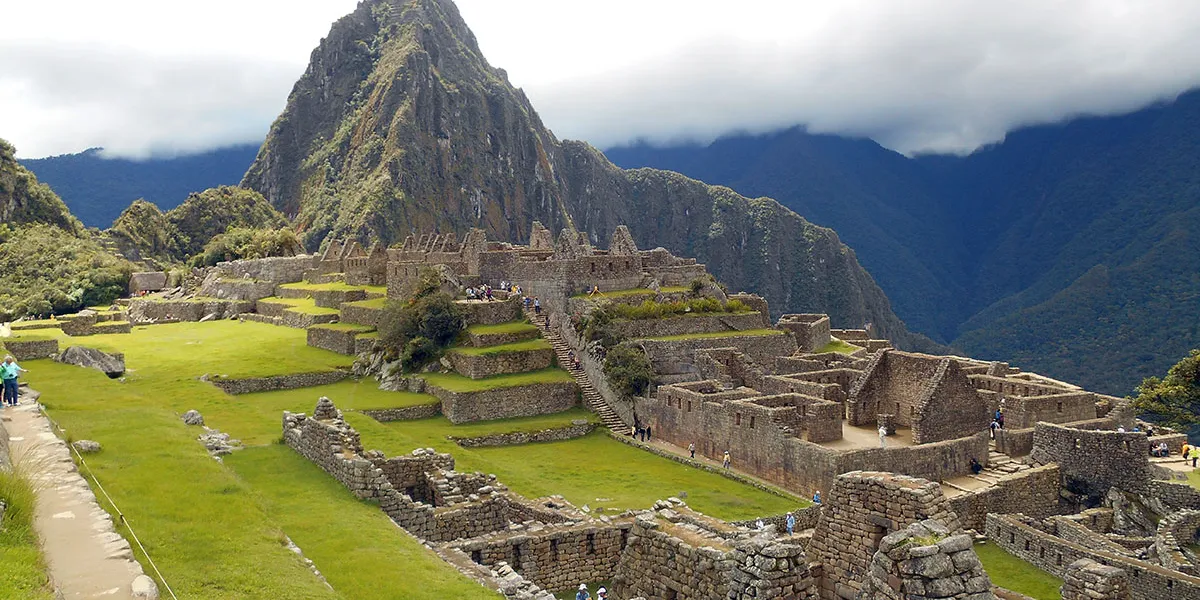
The train leaves from Ollantaytambo, about two hours' drive from Cusco through the Sacred Valley, and runs down to Aguas Calientes, from where a shuttle bus climbs to the site. Leave the vehicle for a night or two at accommodation that accepts it. Daily entries are limited: book them, like the train, as soon as your dates are set.
Puno, Arequipa, Lima, Ica and Tacna are also among our departure cities, which opens the way to a one-way trip: for example Cusco, Lake Titicaca, then the Colca Canyon and Arequipa. Enter the return city in your search: if a one-way trip is possible for your dates, any fee is already included in the displayed price.
In the Sacred Valley and on the main paved roads, the Peugeot Boxer camper vans are the roomiest. The tracks to Vinicunca, the road to Santa Teresa or a trip in the rainy season are better suited to a Toyota Hilux or Great Wall 4x4 pick-up. A camper cabin keeps out the night cold better than a roof tent, which has to be unfolded every evening.
First rental of this type of vehicle in a professional context where the rental must take place from France to Canada. Many questions and Cooldrive (Marlène) has been a valuable support in guiding my choices. Efficiency and responsiveness beforehand, and on-site a vehicle and service that met our expectations. No complaints. Great!
Too rigid computer system
Very good customer experience with Cooldrive. I highly recommend it! Thanks to the team who were attentive and available for organizing my trip to Canada.
For a tourist stay, your national licence is generally accepted, but carrying an international driving permit alongside it is strongly recommended, as it can be read without translation. Keep your passport, licence and vehicle papers in the cab. The minimum age and years of driving required are set by the rental company and shown in the offer conditions.
A few campsites and guesthouses welcome campervans, on the heights of Sacsayhuamán above Cusco and in the Sacred Valley, around Urubamba and Ollantaytambo. Elsewhere, choose a guarded car park over an isolated wild camp, and always ask the residents or the community for permission before settling near a village.
Alejandro Velasco Astete International Airport lies within the city itself, a few kilometres south-east of the centre. An official taxi reaches the handover point quickly, depending on traffic. Give the rental company your flight number and allow some leeway: flights to Cusco are sometimes delayed by mountain weather.
For a departure between June and August, at the height of the dry season and around the Inti Raymi festival on 24 June, book several months ahead: with a single rental company on site, the number of vehicles is limited. Holy Week is also in high demand. The rest of the year, a few weeks' notice is often enough.
It is not advisable: unlit mountain roads, tight bends, dogs and herds on the road, fog on passes such as Abra Málaga. Plan stages that end before nightfall, around 6 pm all year round at these latitudes. Also check for strikes and road blockades, which sometimes affect the region.
Cusco brings together in one departure city what many come to Peru for: the Inca heritage, the Sacred Valley and its Andean villages, Machu Picchu and passes that tip over towards the Amazon forest or the Altiplano. Stages are short, the scenery changes with every valley, and the vehicle becomes a shelter for chilly mountain nights.
Intorno, our local partner, offers Toyota Hilux and Great Wall 4x4s equipped for sleeping, as well as Peugeot Boxer camper vans. The dry season, from May to September, brings the safest conditions for tracks and passes. And our network of departure cities, from Puno to Arequipa and on to Lima, lets you extend the road towards Lake Titicaca, the Colca Canyon or the Pacific coast.