

Intorno Rental company category:Standard
-
Intorno PunoPunoView map
4x4 campers and camper vans on the shores of Lake Titicaca
Compare campervan and motorhome rental companies in Puno to find the best price, and book at the price shown, mandatory fees included.
Hiring a campervan in Puno means starting your road trip right on the shore of Lake Titicaca, at about 3,800 metres above sea level, in the heart of the Peruvian Altiplano. The funerary towers of Sillustani, the colonial churches of Juli and Pomata, the villages of the Capachica peninsula and the high-plateau road to Cusco are all within easy reach. Our partner company Intorno hands over fitted-out 4x4 pick-ups, with a camper cabin or a roof tent, as well as Peugeot Boxer camper vans.
Starting here saves the long climb from the coast: you take the wheel already in the middle of the Andes.
| Vehicle | Winter July | Spring October | Summer January | Autumn April |
|---|---|---|---|---|
| Campervan | from €297/day median €365/day | from €269/day median €329/day | from €274/day median €336/day | from €272/day median €334/day |
Daily prices observed on October 26, 2026 for a 15-day rental: CoolDrive selling price, mandatory fees included, 1 rental companies compared. 0% of offers with unlimited mileage. Median excess: €1,341.
Heading south-east, the road follows the lake to Chucuito and its curious fertility temple, the Inka Uyo, then reaches Juli, nicknamed the little Rome of the Andes for its four colonial churches. In Pomata, the pink sandstone church of Santiago Apóstol lets light in through alabaster windows. A short, paved loop, ideal for your first days of acclimatisation.
North of Puno, the chullpas of Sillustani, funerary towers built by the Colla and then by the Incas, overlook Lake Umayo: the late-afternoon light makes them spectacular. You then head to the Capachica peninsula, where the families of Llachón host travellers in their homes, facing Amantaní island. The last roads, narrow and winding, are best taken slowly.
Heading north-west, the high-plateau road crosses Juliaca and then Pucará, which gave its name to the little ceramic bulls placed on the region's rooftops. It climbs over La Raya Pass, between snow-capped peaks and herds of alpacas, then descends to the temple of Wiracocha at Raqchi and the painted church of Andahuaylillas, before Cusco, another departure city of our partner company.
The shoulder seasons offer the best balance for leaving from Puno: often clear skies, dry roads and fewer visitors than in the depths of the southern winter. Nights remain chilly but a little less harsh, and October's first showers fall mostly at the end of the day, leaving bright mornings on the lake.
The heart of the dry season and the southern winter: almost no rain, crystal-clear light over Titicaca and sunny days, but the coldest nights of the year. It is also the busiest period, with the northern hemisphere summer holidays and Peru's national holidays at the end of July.
The southern summer is the rainy season: afternoon storms, muddy tracks and hail on the high plateaus, although the sun often returns in the morning. Nights are less cold and the Altiplano turns green; before each mountain stage, check road conditions and landslides.
| Month | High | Low | Rain | Sun |
|---|---|---|---|---|
| Jan | 15 °C | 6 °C | 230 mm | 10 h/day |
| Feb | 14 °C | 6 °C | 218 mm | 10 h/day |
| Mar | 14 °C | 6 °C | 175 mm | 10 h/day |
| Apr | 15 °C | 4 °C | 76 mm | 11 h/day |
| May | 15 °C | 2 °C | 27 mm | 11 h/day |
| Jun | 15 °C | 1 °C | 7 mm | 11 h/day |
| Jul | 15 °C | 2 °C | 10 mm | 11 h/day |
| Aug | 16 °C | 2 °C | 12 mm | 11 h/day |
| Sep | 16 °C | 3 °C | 41 mm | 11 h/day |
| Oct | 16 °C | 4 °C | 66 mm | 12 h/day |
| Nov | 17 °C | 5 °C | 98 mm | 12 h/day |
| Dec | 16 °C | 6 °C | 165 mm | 11 h/day |
Averages 2016–2025 computed from Open-Meteo data (ERA5 reanalysis).
Flights from Lima or Cusco land at Inca Manco Cápac airport in Juliaca, about 45 km north of Puno, from where taxis and shuttles reach the city. As the Intorno depot is in Puno, plan this transfer and, if possible, a first night in town before taking the wheel.
Even by the lake, lows drop to 1 or 2 °C from June to August, and frost is common on the high plateaus. A pick-up camper cabin, Great Wall or Toyota Hilux Truck Camper, keeps the cold out better than a roof tent: bring a warm sleeping bag, a woolly hat and several wool layers.
The roads to Cusco, Arequipa and the airport all run through Juliaca, a large trading city with heavy traffic, where motorbike taxis, minibuses and speed bumps call for very careful driving. Download your route for offline use before setting off and avoid rush hours: signposting can be sparse.
During the first half of February, the festival of the Virgen de la Candelaria, listed as UNESCO intangible heritage, fills Puno with costumed dancers and brass bands. Closed streets, fully booked accommodation and difficult parking: book early, or park the vehicle outside the centre and walk to the parades.
Intorno, our partner company, has a depot in Puno itself. It offers Toyota Hilux 4x4s with one or two roof tents, Toyota Hilux and Great Wall pick-up campers, including an automatic version, and Peugeot Boxer Höseg and Mora camper vans sleeping four. The exact meeting point is given in your booking confirmation.
The rate depends on the period, the length of hire and the vehicle: a roof tent, a pick-up camper and a camper van are not hired at the same price. Run a search with your departure and return dates: available offers are shown per day, mandatory fees included, and can be booked directly online.
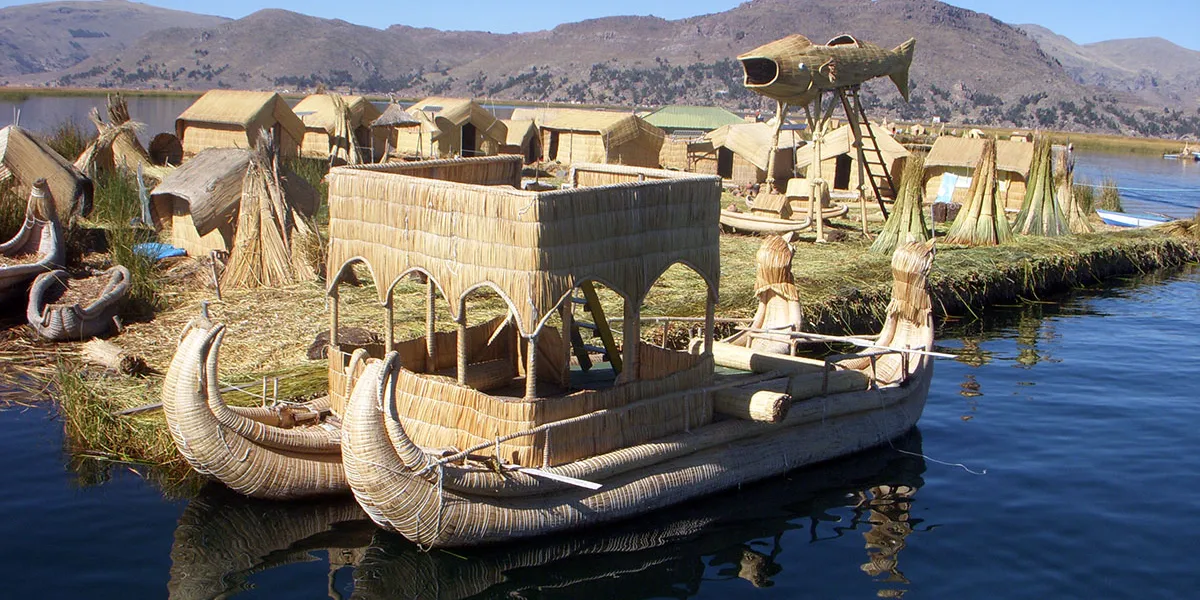
These islands can only be reached by boat, from Puno's lake port: the floating Uros islands are a short crossing away, while Taquile and Amantaní take a full day or a night with a local family. Leave the vehicle in a guarded car park or at your accommodation, and take only a light bag with warm clothes.
The border posts of Kasani, past Yunguyo, towards Copacabana, and of Desaguadero, towards La Paz, are a few hours' drive away. But a rental vehicle can only leave Peru if the rental company expressly allows it and provides the papers required by customs: check this before booking. Otherwise, buses link Puno to Copacabana, where boats leave for Isla del Sol.
Our partner company also operates from Arequipa, Cusco, Tacna and Lima. Towards Arequipa, about 300 km by the direct road, you can cross the Salinas y Aguada Blanca National Reserve or make a detour via the Colca Canyon. Enter the return city when you search: any one-way fees are then included in the displayed price.
Not for the main roads: the roads to Juliaca, Juli and Desaguadero, Cusco and Arequipa are paved, and a Peugeot Boxer camper van handles them easily. A 4x4 really comes into its own on the tracks leading to the lake communities and the Altiplano lagoons, especially in the rainy season, when mud makes driving harder.
First rental of this type of vehicle in a professional context where the rental must take place from France to Canada. Many questions and Cooldrive (Marlène) has been a valuable support in guiding my choices. Efficiency and responsiveness beforehand, and on-site a vehicle and service that met our expectations. No complaints. Great!
Too rigid computer system
Very good customer experience with Cooldrive. I highly recommend it! Thanks to the team who were attentive and available for organizing my trip to Canada.
For a tourist stay, a valid foreign driving licence is accepted, preferably together with an international driving permit, which makes it easier to read at roadside checks. Keep your passport, the rental contract and the vehicle papers on board. The minimum age and years of driving required are shown in the conditions of each offer.
At lake level, the air already holds much less oxygen, and soroche affects many visitors: headaches, shortness of breath, restless sleep. If possible, arrive in stages, allow yourself one or two quiet days before driving, drink plenty of water and limit alcohol. If symptoms persist or get worse, go down and see a doctor.
Equipped campsites are rare: people usually sleep in the car park of a hotel or guesthouse in Puno, with the host families of Llachón, near the accommodation in Chucuito, or in quiet spots with the locals' permission. Avoid isolated places near towns, especially around Juliaca, and choose lit or guarded locations.
Several months ahead for a departure between June and August, and also for La Candelaria in February: with only one depot in town, the choice of vehicles runs out quickly. If you only drive automatics, go for the Great Wall Poer Truck Camper Automatic and book it early. In the shoulder seasons, a few weeks are often enough.
Better not. Llamas, alpacas and sheep cross without warning, some lorries drive with poor lighting, speed bumps are barely signposted at village entrances and black ice forms as soon as night falls in the dry season. Plan short stages so you arrive before sunset, which comes in the early evening all year round.
At this altitude, ultraviolet radiation is very intense, even when the air stays cool: a few hours on a boat to Taquile are enough to get sunburnt. With 10 to 12 hours of sunshine a day depending on the month, good sunglasses, high-factor sunscreen, a hat and lip balm are essential.
Puno is the natural starting point for exploring the Peruvian side of Lake Titicaca and the surrounding Altiplano: the southern shore and its colonial churches, the chullpas of Sillustani, the Capachica peninsula, then the wide open high plateaus where llamas and alpacas graze. Setting off from here rather than from the coast saves hundreds of kilometres of climbing and puts you in the heart of Andean landscapes from day one.
Intorno hands over vehicles made for these roads, 4x4 pick-ups with camper cabin or roof tent and camper vans. Arequipa, 174 km as the crow flies, and Cusco, 331 km away, are also departure cities of our partner company, opening the way to a one-way trip to the Colca Canyon or the Sacred Valley. From May to September, the dry season brings clear skies; just pack warm clothes for the nights.