

Andes Campers Rental company category:Standard
-
Andes Campers CopiapoCopiapoView map
Camper vans and motorhomes between the Pacific and the Atacama Andes
Compare the 3 campervan and motorhome rental companies in Copiapo to find the best price, and book at the price shown, mandatory fees included.
Hiring a campervan in Copiapó opens the road to the Atacama Region, between the Pacific Ocean and the Andes. A regional capital made rich in the 19th century by the Chañarcillo silver rush, the city stretches along the green valley of the Copiapó River, in the middle of the desert. Within an hour you reach Caldera and the turquoise waters of Bahía Inglesa; further north lies Pan de Azúcar National Park, while to the east Route 31 climbs towards the lagoons of Nevado Tres Cruces National Park and the San Francisco Pass. 3 partner companies hand over their vehicles here: Andes Campers, Camper Travel and Holiday Rent RV.

Public ratings collected on October 28, 2026 from independent review sites.

The road follows the Copiapó valley down to the Pacific and Caldera, the port where Chile's first railway line started in the 19th century. Just to the south, Bahía Inglesa lines up white sand and turquoise waters, known for their farmed scallops. Further north, beyond Chañaral, Pan de Azúcar National Park combines copiapoa cacti, deserted coves and a colony of Humboldt penguins, to be seen by boat from the caleta.
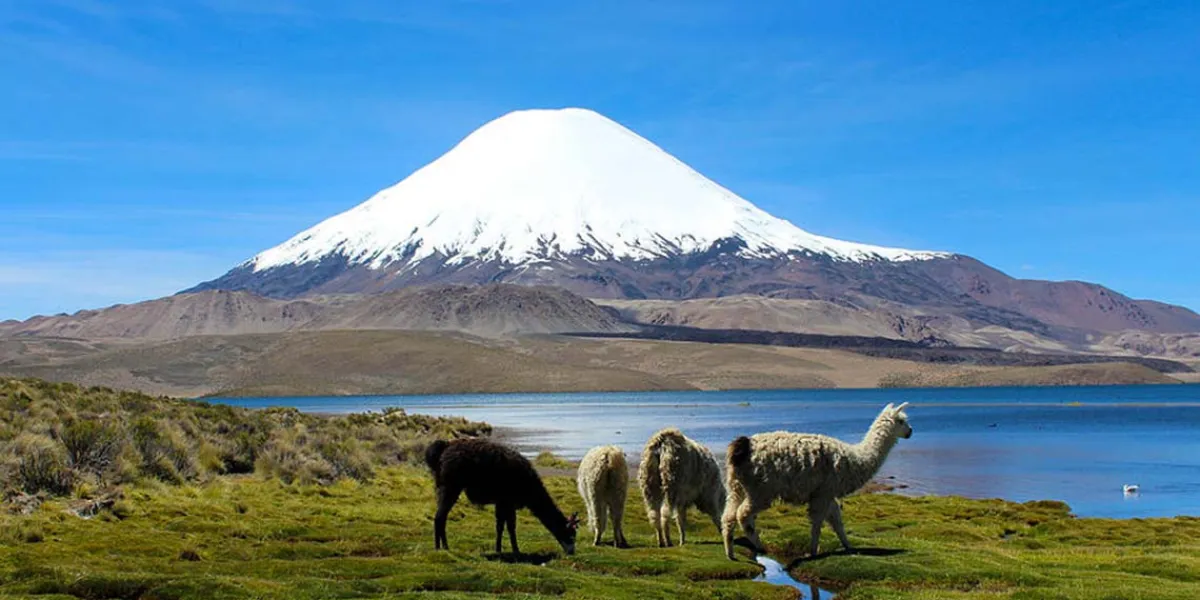
To the east, Route 31 climbs the Quebrada de Paipote and then rises into the Andes to the Salar de Maricunga and Laguna Santa Rosa, where flamingos and vicuñas stand out against the snow-capped peaks of Nevado Tres Cruces National Park. A rougher track leads south to Laguna del Negro Francisco. Higher still, Laguna Verde and its hot pools face Ojos del Salado, the highest volcano in the world.
Heading south, a coastal road reaches Llanos de Challe National Park, one of the best places to see the flowering desert in rainy years. Huasco and its valley of olive groves then lead to Vallenar and the Pan-American Highway. After La Serena, the Elqui Valley and its pisco vineyards are worth a detour, before returning the vehicle in Valparaíso, another departure city of our partners.
In the southern hemisphere, April-May and September-November offer the best balance around Copiapó: mild days, dry skies and quiet beaches at Bahía Inglesa. The San Francisco Pass usually reopens in spring, depending on snow. In rainy years, September and October add the spectacle of the flowering desert, which then draws many visitors.
This is the season of the long Chilean summer holidays: in January and February, Bahía Inglesa and Caldera fill up, and coastal campsites are often full. On the coast the sea is at its warmest and the breeze tempers the sun, while the Copiapó valley gets hotter in the afternoon. The San Francisco Pass is then at its most passable, apart from mountain storms.
Days remain mild and dry, but the camanchaca, a fog rolling in from the ocean, often veils mornings on the coast, and nights turn cool. At altitude, snow and wind regularly close the San Francisco Pass and make the lagoons hard to reach: keep these trips for other months and favour the coast and Pan de Azúcar National Park.
Most pleasant months: All year round.
| Month | High | Low | Rain | Sun |
|---|---|---|---|---|
| Jan | 29 °C | 15 °C | 2 mm | 13 h/day |
| Feb | 29 °C | 16 °C | 0 mm | 12 h/day |
| Mar | 28 °C | 15 °C | 0 mm | 12 h/day |
| Apr | 26 °C | 13 °C | 5 mm | 11 h/day |
| May | 24 °C | 12 °C | 6 mm | 10 h/day |
| Jun | 22 °C | 10 °C | 4 mm | 10 h/day |
| Jul | 22 °C | 10 °C | 7 mm | 10 h/day |
| Aug | 23 °C | 10 °C | 3 mm | 10 h/day |
| Sep | 25 °C | 11 °C | 0 mm | 11 h/day |
| Oct | 26 °C | 12 °C | 1 mm | 12 h/day |
| Nov | 27 °C | 13 °C | 0 mm | 13 h/day |
| Dec | 28 °C | 14 °C | 0 mm | 13 h/day |
Averages 2016–2025 computed from Open-Meteo data (ERA5 reanalysis).
On Route 31, there is no petrol station along the nearly 500 km between Copiapó and Fiambalá, the first Argentine town after the San Francisco Pass. Fill up, take drinking water and food for several days before heading up to the lagoons, and allow for higher fuel consumption on the long climbs.
Copiapó lies at low altitude, but Route 31 takes the vehicle above 3,500 metres in a few hours, and Laguna Verde is above 4,000 metres. Make a day return trip first before sleeping up high, drink plenty, avoid alcohol and descend at the first serious signs: severe headache, nausea, breathlessness at rest.
Off the Pan-American Highway, many roads in the Atacama Region are salt-stabilised dirt or gravel: easy going in dry weather, they become slippery with coastal fog or snow. Check in the contract which roads the insurance covers and slow down, especially on corrugated surfaces.
Copiapó lives off copper and gold mines: heavy trucks and equipment convoys use the Pan-American Highway and the pass road, often from dawn. Give them room on climbs and bends. At altitude, vicuñas and guanacos cross without warning: avoid driving at night.
Andes Campers, Camper Travel and Holiday Rent RV, our three partner companies, each have a depot in Copiapó. The city is the natural starting point for both the Atacama coast and the Andean lagoons, with supermarkets and petrol stations to stock up before the road. The exact address and handover time are in your booking confirmation.
The rate depends on the season, the length of hire and the type of vehicle: the Chilean summer holidays, in January and February, and flowering desert years push demand up. Run a search with your dates to compare the available offers: prices are shown per day, mandatory fees included, and can be booked immediately.
Only with the rental company's written consent, often notarised, and insurance valid in Argentina, to be requested when booking. This pass, one of the highest road crossings in the Andes, links Copiapó to Fiambalá, in Catamarca Province. It often closes in winter and is only open during the day: check its status the day before. The Chilean border post is well before the border, near the Salar de Maricunga.
The phenomenon only occurs in years when rain, often linked to El Niño, falls on the desert in winter. The flowers then usually appear between late August and October, between Copiapó, Vallenar and Llanos de Challe National Park. Follow announcements from the regional authorities and CONAF from winter onwards, stay on the roads and pick nothing.
You can admire it from Laguna Verde, beside the San Francisco Pass road, which is accessible to a vehicle in good condition. Beyond that, the track to the high-altitude refuges requires a real mountain 4x4, which most contracts exclude. The ascent is a guided expedition, with several days of acclimatisation and prior authorisation from the Chilean authorities.
Yes: our partners also have departures from Antofagasta, Calama, San Pedro de Atacama, Iquique and Arica. Heading up the coast via Pan de Azúcar, Taltal and Antofagasta lets you finish the trip in the far north without driving back the same way. Enter the return city in your search: any one-way fees are then included in the displayed price.
They have always responded quickly to all my requests and their website is very functional!
Fast service
The booking process is very smooth. I had very good communication with the Cooldrive team. As for the follow-up, it will be seen on site during the vehicle pickup.
Desierto de Atacama airport, linked to Santiago by regular flights, is near Caldera, about 50 km west of the city. Taxis, shared transfers and minibuses reach central Copiapó in just under an hour. Give the rental company your landing time to arrange the vehicle handover, especially in the late afternoon or evening.
Chile drives on the right. An international driving permit alongside your national licence is recommended, and is often requested at carabineros checks as well as at border crossings. For campervans and light motorhomes, a car licence is generally enough; each rental company specifies the minimum age and years of driving required in the offer conditions.
Not for the coast: Caldera, Bahía Inglesa, Chañaral and most of Pan de Azúcar National Park are reached on asphalt or good tracks. Route 31 and the access to Laguna Santa Rosa, partly gravel, can be driven carefully in a sturdy van. The track to Laguna del Negro Francisco and the more remote Andean routes, however, call for a 4x4.
Bahía Inglesa, Caldera and Pan de Azúcar National Park have campsites, often full in January and February. In Nevado Tres Cruces National Park, the CONAF refuges at the Santa Rosa and Negro Francisco lagoons offer basic shelter. Elsewhere, check local rules, avoid mining land and beaches where camping is banned, and leave no trace.
Plaza Prat, the main square shaded by old pepper trees, faces the cathedral. The mineralogical museum of the University of Atacama displays thousands of minerals and meteorites from the desert, and the regional museum tells the story of the Chañarcillo silver rush. North of the city, the San José mine, scene of the 2010 rescue of trapped miners, also draws visitors.
Several months ahead for January and February, the Chilean holiday months, and for the Fiestas Patrias week around 18 September. In flowering desert years, demand also rises as soon as the first blooms are announced. The rest of the year, with three depots in town, a few weeks' notice is often enough.
Copiapó enjoys a rare position: an hour from the Pacific and half a day from the Andean lagoons. From the green valley of the Copiapó River, you quickly reach the turquoise beaches of Bahía Inglesa, the penguins of Pan de Azúcar National Park or the flamingos of Laguna Santa Rosa, at the foot of some of the highest volcanoes on the continent. In rainy years, the flowering desert adds a spectacle that few regions of the world can match.
The three partner companies, Andes Campers, Camper Travel and Holiday Rent RV, hand over their vehicles in town, and six other departure points of our partners, from Arica to Valparaíso, open up long one-way trips along Chile. Mild and dry all year round, the climate suits travel in every season: only the altitude and the long distances without supplies require preparation.