
 ENG
ENG


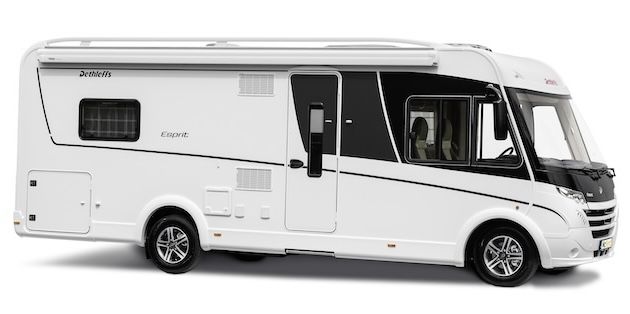

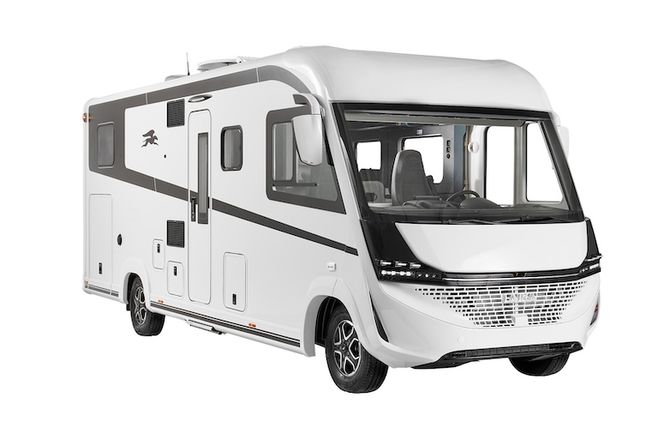
The kitchen equipment in the caravan was inadequate. There was no kettle to heat water or coffee maker, which are essential if there is no microwave. There was also no toaster. There was no cleaning equipment (broom and dustpan), which we had to buy. There were no cleaning or dish towels. A set of towels was soaked in oil with stains and a smell of oil. Impossible to use even after washing. I have...
Over 50 000
rentals since 2011 !
rentals since 2011 !
Geopolitical situation in the Middle East : your travels with CoolDrive are protected.
Find out more ›
Find out more ›
Poland is a fascinating destination that combines rich history and breathtaking landscapes. To discover its hidden treasures, renting a camper van in Poland is an ideal option, offering total freedom to explore iconic cities like Krakow and its magnificent medieval squares, or the majestic Tatra Mountains. Traveling in a camper van allows you to stop wherever you like, whether by the Masurian lakes or in charming picturesque villages. Embark on an unforgettable adventure through this multifaceted country!
Exploring Poland by camper van offers a unique immersion between historic cities, vast natural spaces, and a rich culture. Whether you have a week or three weeks, this country will surprise you with its varied landscapes and heritage. Here are three emblematic itineraries adapted to different durations to fully experience the Polish adventure in a converted van.
Itinerary 7-10 days: Discovering Little Poland and the Carpathians
Start your journey in Krakow, a historical gem where strolling through the old town and visiting Wawel Castle is a must. Then head to Zakopane, the gateway to the Carpathians, to enjoy hikes, particularly around Lake Morskie Oko, and discover mountain culture. Continue to the Pieniny National Park with a rafting descent on the Dunajec River. This circuit combines urban heritage, nature, and traditions in a limited time, ideal for a first approach to Poland by camper van.
Itinerary 14 days: From north to south, between the Baltic Sea and mountains
Start from Gdańsk, a port city with remarkable Hanseatic architecture, then explore the Pomerania region with its beaches and natural parks. Head down to the Białowieża Forest, a sanctuary for European bison, for an immersion in nature. Continue to Warsaw, a dynamic capital blending modernity and history. End in the Malopolska region, with Krakow and the Carpathians for mountainous and cultural landscapes. This varied route allows you to grasp the geographical and cultural diversity of the country in two weeks.
Itinerary 21 days: Grand complete tour of Poland by camper van
This long journey invites you to traverse Poland from north to south and east to west. Start with the beaches and historic cities of the Baltic, Gdańsk and Sopot, then head towards the Masurian lakes, a paradise for nature lovers. Explore the Białowieża Forest and its bison, then vibrant Warsaw. Continue south with Krakow, the Wieliczka salt mines, and the Carpathians. This complete circuit offers a perfect balance between nature, heritage, and culture, with camper van-friendly stops for a journey of total freedom.
All the towns where you can rent a motorhome in Poland
Discover on this map all the cities in Poland where you can rent your motorhome or campervan.
Use the search engine to find out exactly which departure and return towns you can use to organise your road trip.
To do this, enter the first letters of the country in the corresponding field and discover all the cities in Poland or elsewhere.
Loading the interactive map...
Traveling by camper van or RV in Poland: climate and seasonality
Poland, rich in its varied landscapes between the Tatra Mountains, the Masurian lakes, and the Baltic coast, offers a unique experience for camper van or RV enthusiasts, with climatic and pricing conditions to be well understood to optimize your trip.
When to go to Poland?
The best time to travel by camper van in Poland extends from May to September, when temperatures are pleasant and nature is in full bloom. For example, in Krakow and Zakopane, located in the south, summer temperatures range between 15 and 22 °C, ideal for exploring the mountains or historic cities without suffering from excessive heat. In contrast, winter, particularly from December to February, is cold with temperatures often below zero, especially in mountainous regions like the Tatras, where snow covers the landscape, offering a fairy-tale decor but less suitable for itinerant camping.
Weather and pricing seasonality
In summer, particularly in July and August, Poland experiences frequent thunderstorms, especially in the mountainous areas, which can disrupt outdoor activities. Regions like the Baltic plain around Gdańsk or the Białowieża Forest benefit from a more temperate climate but remain humid. This period also corresponds to the high tourist season, with higher camping and service rates, especially in popular areas like Warsaw or the shores of Lake Śniardwy in Masuria. Conversely, the months of April and October, although cooler, offer softer rates and less crowding, which can be a good compromise for van travelers seeking peace and savings.
Types of vehicles to rent in Poland
This list gives you a good overview of the offer of motorhomes, campervans, and other vehicles in Poland. Please note that not all of these vehicles are necessarily available at all rental agencies of our partners. To find out about the available vehicle options for your road trip, please use the search form at the top of this page. You can then filter the results by rental company, price, type of motorhomes, compare rental offers and their options, check availability, save your offers, and of course book online when your choice is made!
Traveling by camper van in Poland: practical guide
Poland offers varied landscapes and a well-structured road access for camper van travelers, but it imposes strict driving rules and specific restrictions regarding overnight parking. Here is the essential information to prepare your trip.
Driving and road regulations
In Poland, dipped headlights are mandatory day and night, and the legal blood alcohol limit is very restrictive at 0.2 g/l. Speed limits for camper vans vary according to the type of road: 50 km/h in urban areas, 90 km/h on ordinary roads, 100 km/h on expressways, 120 km/h on express roads, and 140 km/h on highways. The use of a mobile phone while driving, even hands-free, is strictly prohibited. All occupants must wear a seatbelt, and children under 1.50 m must travel in an approved booster seat.
For Polish highways, notably the A2 between Konin and Stryków or the A4 between Belyany-Wrocławski and Sosnica, vehicles under 3.5 tons benefit from free sections. However, if your camper van exceeds 3.5 tons, you must pay an electronic toll via the e-TOLL system. The driver must always drive on the right side of the road respecting right-hand priority, and overtaking must be done on the left.
Sleeping and connecting in Poland
Wild camping is strictly prohibited in Poland, particularly in nature reserves and coastal areas, with fines of up to 120 euros in case of inspection. However, overnight stays in camper vans are relatively flexible in rural and forested areas: it is generally allowed to spend the night in a properly parked vehicle, as long as you are not camping. The Polish government allocated 600 hectares of forest space for wild camping in 2021, offering some tolerance to outdoor enthusiasts.
For a comfortable stay, prefer official campsites or private camper van areas, which are the only legally authorized places. Authorities also tolerate a driver spending the night in their vehicle if their ability to drive is compromised by fatigue or illness. This relative flexibility distinguishes Poland from many other European countries.
Local tips and safety
In wooded regions like Białowieża or near the Masurian lakes, be cautious as it is common to encounter wild animals, especially at night. Starting July 1, 2024, Krakow has implemented an environmental zone to reduce pollution, which may affect access for certain vehicles to the city center. Make sure to check access conditions before your arrival.
When traveling, always carry your national driving license, and if it is not written in French, English, German, or Italian, obtain an international driving license. At the Polish borders, inspections are regular: carry your rental contract, insurance certificate, and identification papers. Respect local traffic rules, including the counter-clockwise direction in roundabouts, for a safe and uncomplicated journey.
Frequently Asked Questions in Poland
What driving license do I need to rent a camper van in Poland?
You must have a valid national driving license. If your license is not written in French, English, German, or Italian, you will need to obtain an international driving license. For vehicles exceeding 3.5 tons, a C1 license may be required depending on your country of origin.
Are there tolls in Poland for camper vans?
State-managed highways are free for camper vans under 3.5 tons. Beyond this weight, you must use the electronic e-TOLL system (badge or app) which automatically records your trips and calculates the fees. This system works on Polish toll roads.
What are the speed limits in Poland for a camper van?
Speed limits are 50 km/h in town, 90 km/h on the road, and 120 km/h on expressways for camper vans. These restrictions apply to all recreational vehicles, regardless of their weight. Strictly adhere to these limits to avoid fines.
Where can I park my camper van overnight in Poland?
Overnight stays are generally allowed throughout the country if the vehicle is well parked and not camping. Camper van areas exist near major cities and natural parks, some free, others costing a few euros. Campsites are also affordable, ranging from 10 to 45 euros per night with included services.
Is wild camping allowed in Poland?
No, wild camping is not allowed in Poland. Camping is strictly controlled, especially in nature reserves and along the coast. If you are caught camping illegally, you risk a fine of up to 120 euros. Only use official campsites or camper van areas.
What mandatory equipment must I have in my camper van?
You must have safety vests, a warning triangle, and a first aid kit. Lights must always be on while driving. A GPS suitable for camper vans is highly recommended to avoid unsuitable roads for your vehicle.
What is the legal blood alcohol limit in Poland?
The allowed blood alcohol level for drivers is 0.2 mg/l in Poland. This limit is strictly controlled and enforced. Respect this rule for your safety and that of other road users.
When is the best time to rent a camper van in Poland?
Avoid the months of July and August if possible. Outside of this period, you will find lower rates for campsites and fewer crowds. Wooded regions like Białowieża or the Masurian lakes are particularly beautiful in spring and autumn.
They traveled in Poland
Discover the latest verified customer reviews translated into your language and published on Trustpilot and Verified Reviews platforms.

5th rental with Cooldrive, always as responsive, efficient, and of high quality.

First rental of this type of vehicle in a professional context where the rental must take place from France to Canada. Many questions and Cooldrive (Marlène) has been a valuable support in guiding my choices. Efficiency and responsiveness beforehand, and on-site a vehicle and service that met our expectations. No complaints. Great!
Too rigid computer system
Very good customer experience with Cooldrive. I highly recommend it! Thanks to the team who were attentive and available for organizing my trip to Canada.
Great experience with Cooldrive. I highly recommend it 100%. Reliable, attentive, available, responsive. Thanks to Marléne for her support.
Initially, the camper offered online was not available, but a good alternative was quickly provided. The communication regarding the various steps to be taken is clear. The camper was from 2025 and was clean and complete. The pick-up in Norway took longer than expected (4 hours), but in the end, it became a vacation to never forget. Highly recommended!
No unpleasant surprises
Cooldrive recommended that I take out insurance, which turned out to be unable to handle an issue that arose during the stay.
Top rates and service
Impeccable
Quick and efficient response
Everything was quick and quite simple. Just a small downside upon arrival, we waited a good amount of time before being taken care of.
Perfect
Interesting price, clear file and follow-up. Very easy to get answers to our questions, very pleasant staff.
We rented a campervan for a trip to Iceland. Everything went well. Good service from Cooldrive.
Great vacation in the Baltic States. When everything goes well, it is easy to speak highly of the people who helped you. But beyond the quality of the vehicle and the welcome from the rental company, it is also important to note the support received from Cooldrive, which responded quickly to all our requests. This provides a sense of security that allows you to truly relax, knowing that in case of...
great experience! The CoolDrive agents are very helpful with all the procedures
Incorrect information about the rental dates resulting in a charge for an additional day despite my inquiries to Cool Drive right after my booking. Refusal to modify my reservation because it did not lead to a change in price. Incorrect information confirmed by the rental company that was expecting a response the next day...
The whole booking, communication, and actual rental experience has been smooth, effective, and enjoyable. Not sure how that could have been any better, at least in our experience, other than perhaps a final communication just before the start of the rental (but really, we had all info and details already). Collection and return of the motorhome was smooth and friendly staff (from iCaravan). All in...
Very good from the quote to the rental, I recommend!
Good and quick communication, easy to book and easy to follow all the instructions.
Easy to contact intermediary. For my part, a big thank you to Marlene for her availability and responsiveness.
Excellent service, speed, and courtesy
Easy communication, in French
They have always responded quickly to all my requests and their website is very functional!
Everything was well arranged, clear information in advance, and the handover of the mobile home went smoothly.
It is convenient to book a vehicle without too many questions. However, personally, I went to Iceland, and the story surrounding the insurance was really not clear with the rental agency.
Diversity of offerings, clear presentation of the site, available options. No surprises on the price; you know what you're paying for. I recommend it and will probably use it again for other camper van trips.
Responsiveness to emails and requests is excellent.
Motorhome and campervan rental companies in Poland
Below you’ll find all the motorhome and campervan rental companies we work with in Poland.
These are exclusively professional rental companies in Poland, renowned for the quality, reliability and maintenance of their fleet of vehicles.
Renting a motorhome with CoolDrive from one of these companies gives you the guarantees and insurance you need to make sure your trip goes smoothly in Poland.
Click on the logo to access the rental company’s details.


Special offers on motorhome rentals in Poland
Here are the promotional offers currently available for each motorhome and campervan rental company in Poland.
The conditions for applying these discounts are managed individually for each rental offer and depend mainly on the dates of your trip in Poland.
To find out exactly what promotions are available in Poland, the easiest way is to carry out a search and look at the offers on offer.
You can then save these offers in your customer area or make your booking request directly.
Most promotions are limited in time, so make the most of them before they’re gone!
3%
long-term discount
10%
long-term discount
3%
long-term discount
Why choose CoolDrive Nomad?
A team of enthusiasts and professionals to serve and advise you
And simply the best platform for booking motorhomes and campervans around the world!
Tips
A company created in 2011 with thousand rentals track record with a dedicated experts team to make your camper customer experience a successful trip
Lowest Price guaranteed
Compare with our hundreds of partner rental companies and a few challengers, then come back to us!
Complete offer
Certainly the most comprehensive and diverse offer for motorhome and campervan rentals around the world
Customer satisfaction
Insurance, guarantees, customer satisfaction, what to ask for more for your motorhome rental abroad
Cancellation Insurance
Book your motorhome rental without stress, with the guarantee that you will be reimbursed according to the insurance conditions
Baggage insurance
Receive compensation for the replacement of your belongings in case of loss, theft, or damage to your baggage
Serenity+ Pack free*
Find out more
Stay connected
An eSIM with several GB to stay connected and surf the web, even on the other side of the world
Park4Night+
Premium version of the app offered for 1 year to easily find a spot to park overnight
Free Mobility Pack
Find out more