
 ENG
ENG


Great vacation in the Baltic States. When everything goes well, it is easy to speak highly of the people who helped you. But beyond the quality of the vehicle and the welcome from the rental company, it is also important to note the support received from Cooldrive, which responded quickly to all our requests. This provides a sense of security that allows you to truly relax, knowing that in case of...
Over 50 000
rentals since 2011 !
rentals since 2011 !
Geopolitical situation in the Middle East : your travels with CoolDrive are protected.
Find out more ›
Find out more ›
Estonia, this gem of the Baltic countries, offers an enchanting landscape for campervan enthusiasts. Whether you want to explore the medieval streets of Tallinn, the capital, or immerse yourself in the wild nature of the Estonian islands, renting a campervan is an ideal way to discover this destination. With its dense forests, crystal-clear lakes, and wind-swept coasts, Estonia promises you an unforgettable journey. Let yourself be tempted by this unique destination in Europe and set off to discover this authentic land aboard your campervan.
Discovering Estonia by campervan offers a unique blend of preserved nature, medieval heritage, and wild islands. Whether you have a week or three weeks, this Baltic country is perfect for a road trip, with easy roads, welcoming campgrounds, and varied landscapes between forests, lakes, and coasts. Here are three iconic itineraries adapted to different durations for exploring Estonia in depth.
7-10 days: The Coastal Loop and Major Islands
Start your journey in Tallinn, the capital with medieval charm, before heading to Lahemaa National Park, known for its historic manors and dense forests. Continue to the northern coast to admire the Türi cliffs and the old military installations of Paldiski. Then, take the ferry to explore the islands of Saaremaa and Muhu, where wild beaches, traditional windmills, and fishing villages await you. This route offers a balance between nature, culture, and relaxation, ideal for a first contact with Estonia by campervan.
14 days: Nature Immersion and Heritage of Central and Eastern Estonia
After a stop in Tallinn, head southeast to discover Tartu, the lively university town. Then explore the shores of Lake Peipsi, with its picturesque villages and fine sandy beaches. Continue to Soomaa National Park, known for its marshes and canoeing activities. Don’t miss the Virumaa region and Narva, where border history blends with wild landscapes. This longer itinerary allows you to vary the atmospheres, between dynamic cities, untouched nature, and cultural heritage.
21 days: Grand Tour with Islands, National Parks, and Remote Regions
This in-depth journey begins in Tallinn and then extends to all key regions of the country. After the must-see islands of Saaremaa, Hiiumaa, and Muhu, explore Lahemaa National Park and its manors, then head south to visit Otepää and its hilly landscapes. Continue by discovering Lake Võrtsjärv and Suur Munamägi, the highest point in Estonia. End on the eastern coast with Narva and the Matsalu Nature Reserve, famous for birdwatching. This complete circuit combines nature, culture, and authenticity, with many opportunities for wild camping in nature.
All the towns where you can rent a motorhome in Estonia
Discover on this map all the cities in Estonia where you can rent your motorhome or campervan.
Use the search engine to find out exactly which departure and return towns you can use to organise your road trip.
To do this, enter the first letters of the country in the corresponding field and discover all the cities in Estonia or elsewhere.
Loading the interactive map...
Traveling by Campervan in Estonia
Estonia, with its vast forests, national parks like Soomaa, and wild islands such as Saaremaa, offers a unique experience for travelers in campervans or vans, where preserved nature and freedom of movement meet.
When to Go to Estonia by Campervan
The best time to explore Estonia by campervan is from mid-June to the end of August, when temperatures are mild and days exceptionally long, especially in Tallinn where the white nights offer up to 19 hours of light. This season is ideal for discovering the Järve dunes, the Panga cliffs, or the Soomaa National Park, nicknamed the "fifth season park".
Weather and Pricing Seasonality
In summer, temperatures range from 10°C to 23°C, with occasional peaks at 30°C, but it is advisable to bring warm clothing for cool nights, especially in rural areas or on islands like Hiiumaa. Rental prices and camping areas are higher during the peak season, from June to August, while May and September offer pleasant conditions and softer prices, particularly around Pärnu or Narva.
Types of vehicles to rent in Estonia
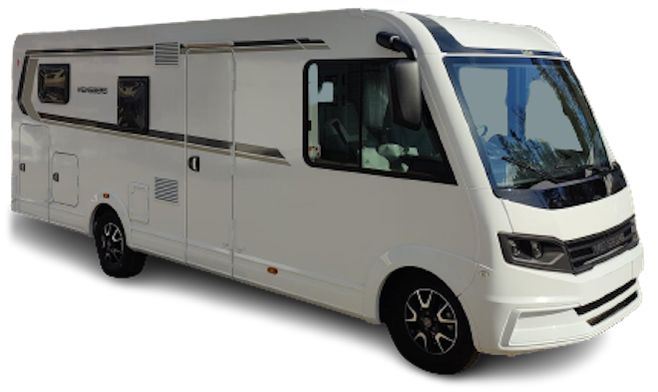
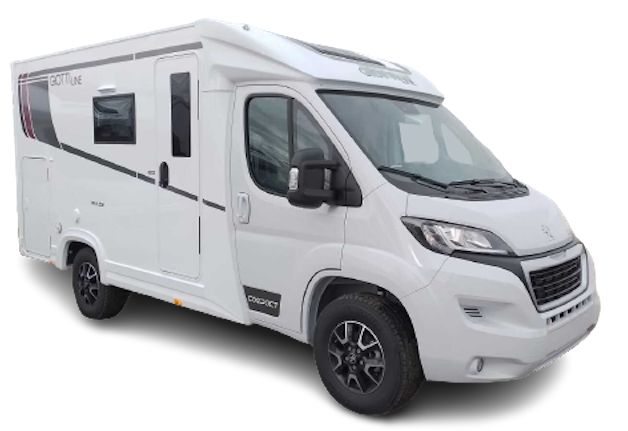
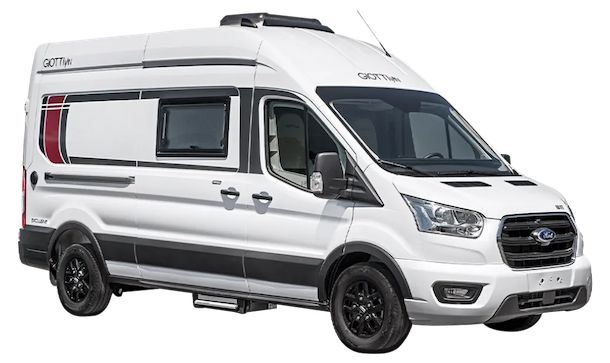
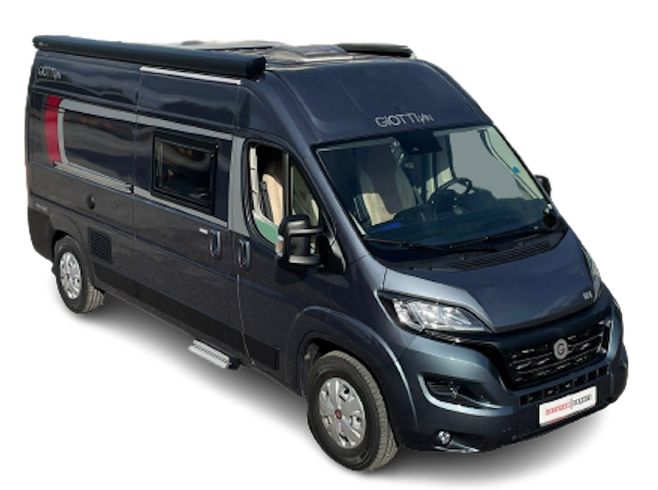
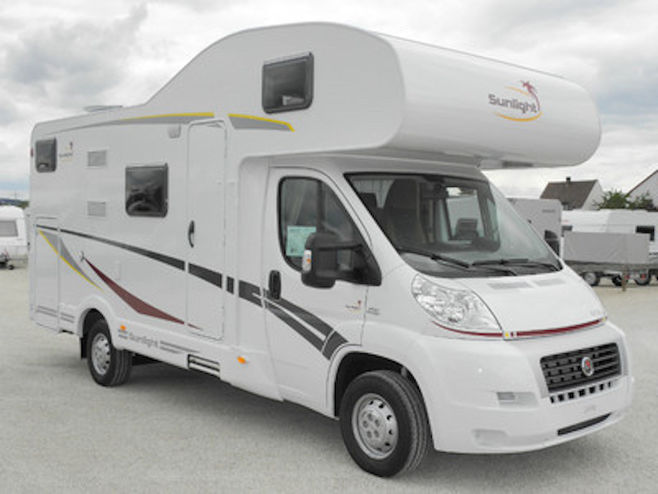
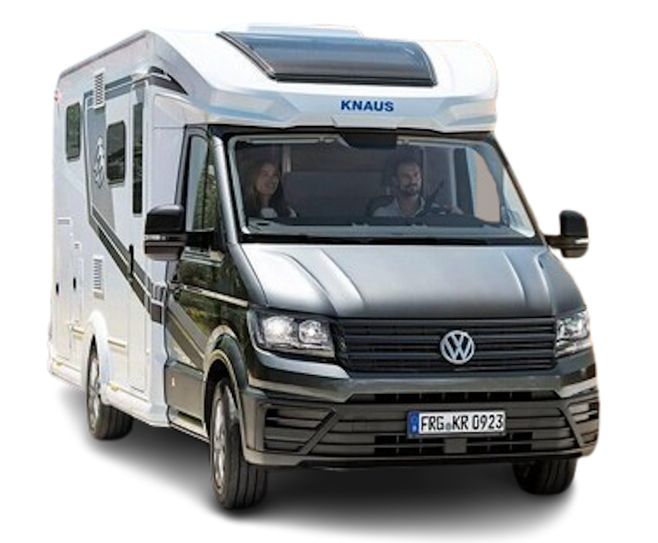
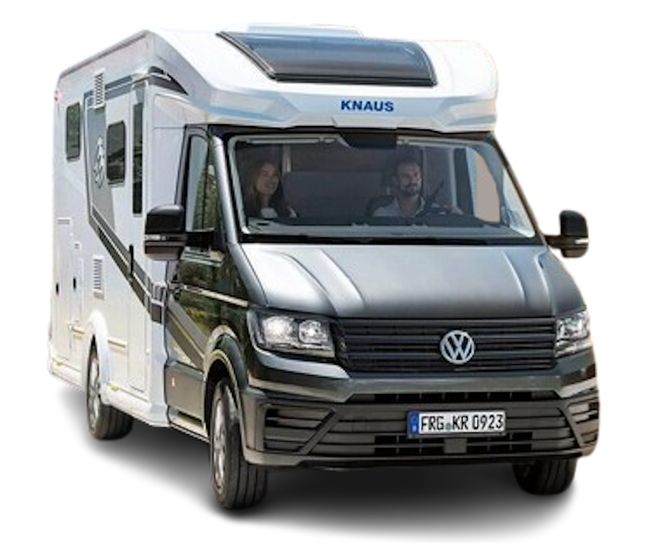
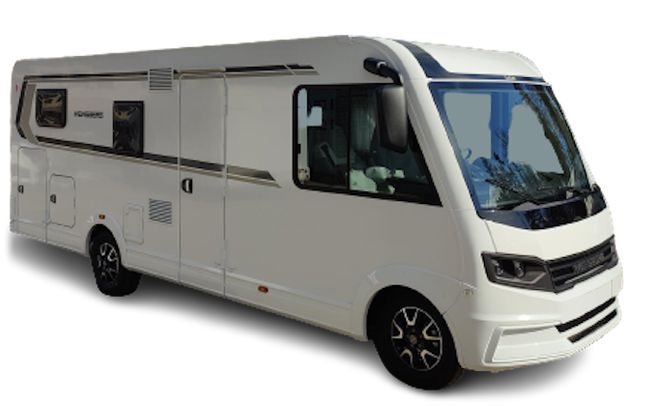
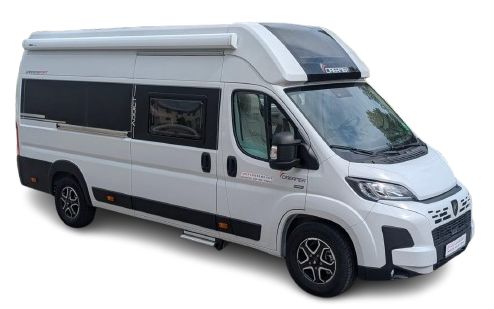
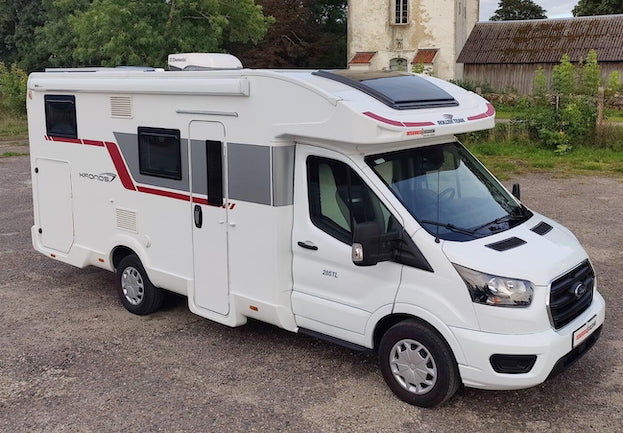
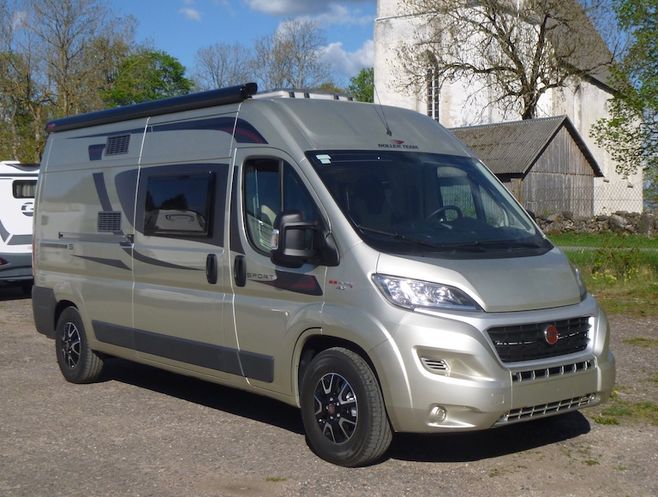
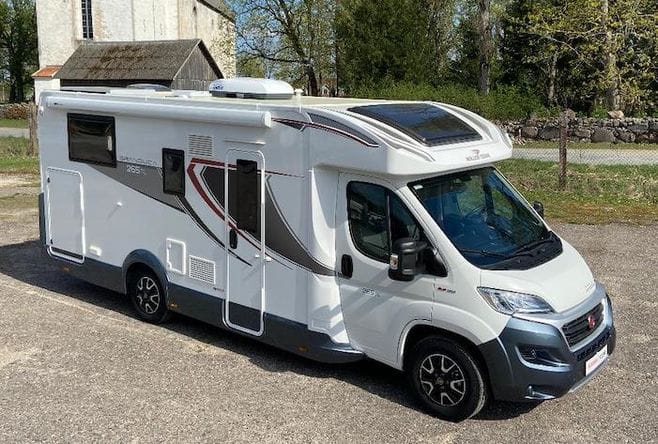
This list gives you a good overview of the offer of motorhomes, campervans, and other vehicles in Estonia. Please note that not all of these vehicles are necessarily available at all rental agencies of our partners. To find out about the available vehicle options for your road trip, please use the search form at the top of this page. You can then filter the results by rental company, price, type of motorhomes, compare rental offers and their options, check availability, save your offers, and of course book online when your choice is made!
Practical Guide for Campervan and Van Road Trips
Estonia offers an ideal destination for campervan travelers, combining well-maintained roads, tolerance for wild camping, and preserved natural landscapes. Discover the essential rules for traveling and staying peacefully in this Baltic country.
Driving and Road Regulations
In Estonia, speed limits are 50 km/h in urban areas, 90 km/h on secondary roads, and 110 km/h on highways. The country has a zero tolerance for drinking and driving, with fines reaching up to €1,150. Headlights must remain on at all times, even during the day, to improve visibility. From your arrival in Tallinn or elsewhere in Estonia, strictly adhere to these rules: fines for speeding by 20 km/h amount to €115, and not wearing a seatbelt can cost up to €190.
From December 1 to March 1, winter tires are mandatory due to difficult weather conditions. There are no tolls in Estonia, simplifying your travels. A French driving license remains valid, and all passengers must wear their seatbelts. Children under 12 must travel in a booster seat.
Sleeping and Connecting in a Campervan
Estonia stands out for its generous policy towards wild camping: it is allowed to park freely in a campervan outside national parks and nature reserves. This freedom makes travel particularly flexible, whether you are exploring the forests of the south or the coasts near Tallinn. Wild camping is tolerated on public land for at least one night in many places, offering an economical alternative to traditional campgrounds.
Although Estonia has official campervan sites, the possibility of parking freely allows for great autonomy. However, avoid national parks like Lahemaa, where wild camping is strictly prohibited. Respect private properties and ask for permission if you wish to settle on land owned by individuals.
Local Tips and Safety
Tallinn, the capital, has a highly developed public transport network, making it almost unnecessary to arrive by campervan to visit the historic center. Prefer parking on the outskirts and explore the old town on foot or by public transport. Estonian roads are generally well-maintained, but winter conditions between December and March require increased vigilance and appropriate equipment.
Authorities and Estonian residents are known to be tolerant towards campervan travelers, creating a safe environment for exploring the country. Ensure you have your international driving license, insurance, and vehicle registration. Check with the Estonian Road Authority for up-to-date information on traffic conditions, especially before traveling in winter.
Frequently Asked Questions in Estonia
What documents are required to rent a campervan in Estonia?
To rent a campervan in Estonia, you must present a valid driving license, often an international license is recommended, as well as your identity card or passport. Insurance and vehicle registration are mandatory. A rental contract and an inventory are established upon pickup and return of the vehicle. The minimum age required is generally 21 years, sometimes 23 or 25 years depending on the rental company.
What are the specific driving rules in Estonia for campervans?
In Estonia, it is mandatory to keep headlights on at all times, even during the day. Seatbelts must be worn by all occupants. Speed is limited to 50 km/h in town, 90 km/h outside urban areas, and 110 km/h on highways. Driving under the influence is strictly prohibited with a zero tolerance policy. Winter tires are mandatory from December 1 to March 1. Drivers must always carry their license and vehicle documents with them.
Is wild camping allowed in a campervan in Estonia?
Yes, wild camping is allowed in Estonia outside national parks and nature reserves. This freedom allows you to park and camp in nature, provided you respect the environment, particularly by using only official fire pits and causing no damage to trees. Many free locations with basic facilities are available, but it is advisable to check local rules before settling down.
What are the best times to rent a campervan and travel in Estonia?
The best time to rent a campervan in Estonia is from May to October, when most campgrounds and facilities are open. Summer offers long and pleasant days, ideal for exploring. In winter, rentals are possible but road conditions can be difficult, especially on secondary roads, and snow tires are mandatory. Spring and autumn offer beautiful landscapes, but some services may be closed.
What types of campervans can be rented in Estonia?
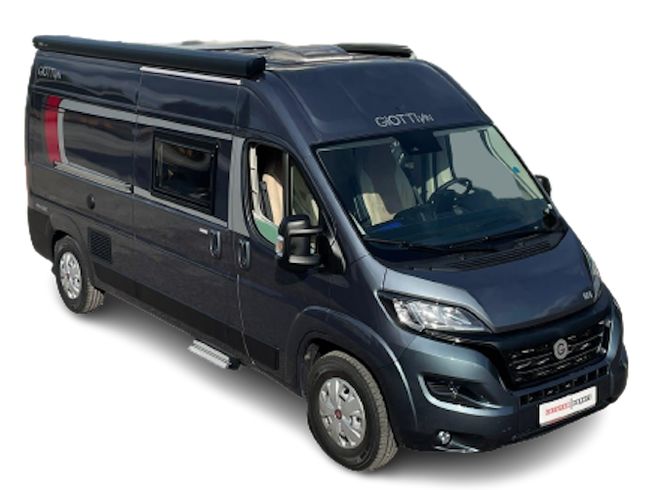
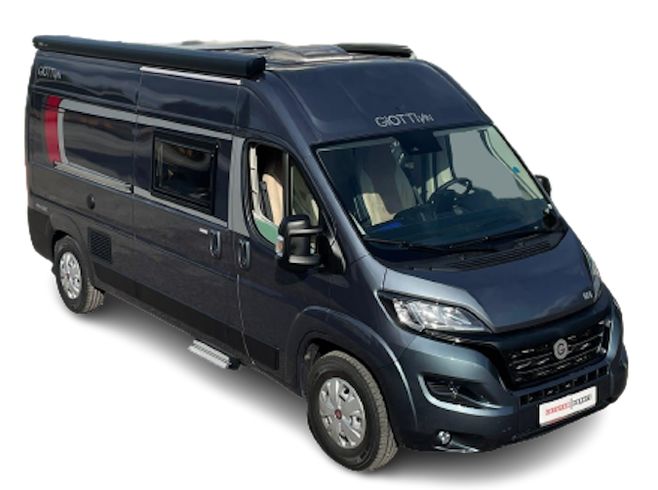
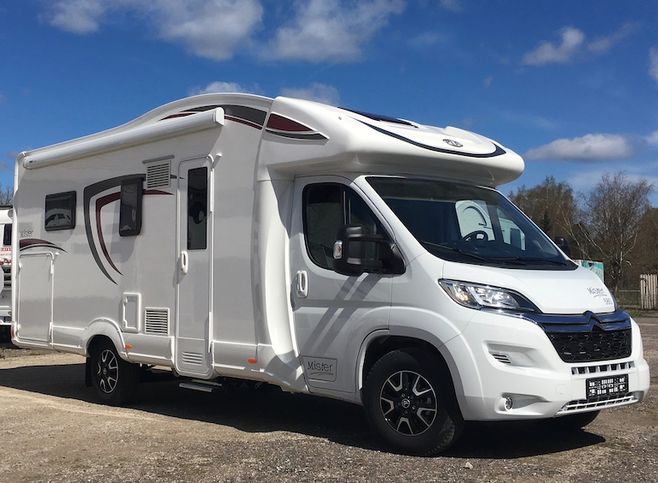
The rental fleet in Estonia includes compact campervans, converted vans, and larger models suitable for families. Vehicles are generally well-equipped for comfort, with kitchens, sleeping areas, and storage. Rental companies often offer several ranges depending on the number of passengers and needs, with options for couples or groups. It is advisable to book in advance during peak season.
What are the age and experience requirements for renting a campervan in Estonia?
The minimum age to rent a campervan in Estonia is generally 21 years, but some rental companies require 23 or 25 years. The driver must have held their license for at least one year. Young drivers may be subject to additional restrictions or specific insurance. It is important to check these conditions before booking to avoid any surprises.
Can you travel abroad with a campervan rented in Estonia?
Most rental companies in Estonia allow travel abroad with their campervans, but it is essential to check the permitted countries and any mileage restrictions in the contract. Some nearby destinations like Latvia or Finland are often allowed.
They traveled in Estonia
Discover the latest verified customer reviews translated into your language and published on Trustpilot and Verified Reviews platforms.

Diversity of offerings, clear presentation of the site, available options. No surprises on the price; you know what you're paying for. I recommend it and will probably use it again for other camper van trips.

Everything went smoothly and without major issues.
good contract management, at times, a little more explanation of the process, especially for a novice like me, would have helped
First rental of this type of vehicle in a professional context where the rental must take place from France to Canada. Many questions and Cooldrive (Marlène) has been a valuable support in guiding my choices. Efficiency and responsiveness beforehand, and on-site a vehicle and service that met our expectations. No complaints. Great!
Too rigid computer system
Very good customer experience with Cooldrive. I highly recommend it! Thanks to the team who were attentive and available for organizing my trip to Canada.
Great experience with Cooldrive. I highly recommend it 100%. Reliable, attentive, available, responsive. Thanks to Marléne for her support.
Initially, the camper offered online was not available, but a good alternative was quickly provided. The communication regarding the various steps to be taken is clear. The camper was from 2025 and was clean and complete. The pick-up in Norway took longer than expected (4 hours), but in the end, it became a vacation to never forget. Highly recommended!
No unpleasant surprises
Cooldrive recommended that I take out insurance, which turned out to be unable to handle an issue that arose during the stay.
Top rates and service
Impeccable
Quick and efficient response
Everything was quick and quite simple. Just a small downside upon arrival, we waited a good amount of time before being taken care of.
Perfect
Interesting price, clear file and follow-up. Very easy to get answers to our questions, very pleasant staff.
We rented a campervan for a trip to Iceland. Everything went well. Good service from Cooldrive.
great experience! The CoolDrive agents are very helpful with all the procedures
Incorrect information about the rental dates resulting in a charge for an additional day despite my inquiries to Cool Drive right after my booking. Refusal to modify my reservation because it did not lead to a change in price. Incorrect information confirmed by the rental company that was expecting a response the next day...
The whole booking, communication, and actual rental experience has been smooth, effective, and enjoyable. Not sure how that could have been any better, at least in our experience, other than perhaps a final communication just before the start of the rental (but really, we had all info and details already). Collection and return of the motorhome was smooth and friendly staff (from iCaravan). All in...
Very good from the quote to the rental, I recommend!
Good and quick communication, easy to book and easy to follow all the instructions.
Easy to contact intermediary. For my part, a big thank you to Marlene for her availability and responsiveness.
Excellent service, speed, and courtesy
Easy communication, in French
They have always responded quickly to all my requests and their website is very functional!
Everything was well arranged, clear information in advance, and the handover of the mobile home went smoothly.
It is convenient to book a vehicle without too many questions. However, personally, I went to Iceland, and the story surrounding the insurance was really not clear with the rental agency.
Responsiveness to emails and requests is excellent.
Motorhome and campervan rental companies in Estonia
Below you’ll find all the motorhome and campervan rental companies we work with in Estonia.
These are exclusively professional rental companies in Estonia, renowned for the quality, reliability and maintenance of their fleet of vehicles.
Renting a motorhome with CoolDrive from one of these companies gives you the guarantees and insurance you need to make sure your trip goes smoothly in Estonia.
Click on the logo to access the rental company’s details.



Special offers on motorhome rentals in Estonia
Here are the promotional offers currently available for each motorhome and campervan rental company in Estonia.
The conditions for applying these discounts are managed individually for each rental offer and depend mainly on the dates of your trip in Estonia.
To find out exactly what promotions are available in Estonia, the easiest way is to carry out a search and look at the offers on offer.
You can then save these offers in your customer area or make your booking request directly.
Most promotions are limited in time, so make the most of them before they’re gone!
3%
long-term discount
5%
long-term discount
2%
long-term discount

10%
long-term discount
Season Special
Why choose CoolDrive Nomad?
A team of enthusiasts and professionals to serve and advise you
And simply the best platform for booking motorhomes and campervans around the world!
Tips
A company created in 2011 with thousand rentals track record with a dedicated experts team to make your camper customer experience a successful trip
Lowest Price guaranteed
Compare with our hundreds of partner rental companies and a few challengers, then come back to us!
Complete offer
Certainly the most comprehensive and diverse offer for motorhome and campervan rentals around the world
Customer satisfaction
Insurance, guarantees, customer satisfaction, what to ask for more for your motorhome rental abroad
Cancellation Insurance
Book your motorhome rental without stress, with the guarantee that you will be reimbursed according to the insurance conditions
Baggage insurance
Receive compensation for the replacement of your belongings in case of loss, theft, or damage to your baggage
Serenity+ Pack free*
Find out more
Stay connected
An eSIM with several GB to stay connected and surf the web, even on the other side of the world
Park4Night+
Premium version of the app offered for 1 year to easily find a spot to park overnight
Free Mobility Pack
Find out more