
 ENG
ENG


First rental of this type of vehicle in a professional context where the rental must take place from France to Canada. Many questions and Cooldrive (Marlène) has been a valuable support in guiding my choices. Efficiency and responsiveness beforehand, and on-site a vehicle and service that met our expectations. No complaints. Great!
Over 50 000
rentals since 2011 !
rentals since 2011 !
Geopolitical situation in the Middle East : your travels with CoolDrive are protected.
Find out more ›
Find out more ›
The Lofoten Islands in Norway are a true gem for nature and adventure lovers. With their breathtaking landscapes combining fjords, mountains, and white sandy beaches, these islands offer an ideal setting for campervan rental. Whether you want to discover the picturesque village of Reine, known for its colorful houses, or immerse yourself in the wild beauty of the cliffs of Unstad, the Lofoten Islands promise unforgettable memories. Get ready to experience an extraordinary adventure, traversing these northern lands in your campervan.
Road trips from the Lofoten Islands
Set off to discover the Lofoten Islands by campervan with three iconic itineraries, perfectly suited for van or converted vehicle travelers. The program includes scenic routes along the E10, fishing villages, white sandy beaches, and hikes to the most beautiful viewpoints. From the Lofoten Islands, you can easily modulate your pace between wild stops, lively small ports, and comfortable overnight halts.
Essential Lofoten in 7-10 days
For a first trip by campervan to the Lofoten Islands, plan 7 to 10 days to connect the southern part of the archipelago around Å, Reine, and Moskenes, to the vicinity of Svolvær. Alternate coastal roads, stops in villages like Hamnøy or Sakrisøy, and accessible hikes to Kvalvika or Ryten. In a campervan, enjoy simple areas close to the beaches of Ramberg, Haukland, or Uttakleiv, ideal for sunsets. This concentrated stay in the Lofoten Islands allows you to enjoy panoramas, fishing, kayaking, and walks without racking up kilometers, while keeping time to find beautiful overnight spots.
Two weeks of road trip in Lofoten and surroundings
With 14 days starting from the Lofoten Islands, you can explore the archipelago in depth and then extend the road trip to Vesterålen or Narvik, justifying a short outing to observe whales or vary the landscapes. Start with 8 to 10 days in the Lofoten Islands between Reinebringen, Nusfjord, Henningsvær, and the iconic beaches, alternating equipped campsites and wilder bivouacs. Then, leisurely drive north along the fjords to discover other less-frequented villages and viewpoints. This campervan travel format allows time for weather surprises, photo stops, and "off" days by the sea.
Grand Nordic journey of 21 days
Over 21 days, the Lofoten Islands become the heart of a grand Nordic itinerary by campervan that can include Vesterålen, Tromsø, or the surroundings of Senja, outings outside the Lofoten Islands but essential for lovers of Arctic landscapes. Spend about ten days slowly radiating between the different sectors of the Lofoten Islands, taking the time to return to your favorite beaches or hikes. Then, continue north to vary the atmospheres: wildlife observation, wilder roads, and isolated villages. This long journey allows for alternating short stops, longer driving days, and comfortable pauses in well-equipped campsites.
All the towns where you can rent a motorhome in Norway
Discover on this map all the cities in Norway where you can rent your motorhome or campervan.
Use the search engine to find out exactly which departure and return towns you can use to organise your road trip.
To do this, enter the first letters of the country in the corresponding field and discover all the cities in Norway or elsewhere.
Loading the interactive map...
Traveling by campervan in the Lofoten Islands: when to go and how to adapt
The Lofoten Islands in Norway offer an exceptional destination for campervan travelers, where the seasons dictate not only the weather but also the complete travel experience. Between the phenomenon of the midnight sun and the winter northern lights, each time of year transforms this archipelago beyond the Arctic Circle into a radically different landscape.
Summer: the peak season with the midnight sun
From June to August, the Lofoten Islands benefit from the midnight sun, a phenomenon where the sun does not set between May 25 and July 18. This period offers endless days ideal for hiking and exploring the lush landscapes of the archipelago. Temperatures rise to around 15°C on average, with peaks reaching 20°C on beautiful summer days. However, it is also the peak tourist season: popular campsites fill up quickly, parking lots become crowded, and it is advisable to book in advance, especially in July and August. Accommodation rates and tourist services reach their highest levels during this period.
Spring and autumn: less crowded alternatives
May and September represent excellent alternatives to avoid the summer crowds in the Lofoten Islands. Spring is generally mixed with significant rainfall, while autumn offers a condensed experience of all seasons with unpredictable conditions. Some high-altitude hikes may still be snowy during these periods, but camping rates drop significantly and the atmosphere remains wilder. These months allow for a more authentic experience of the archipelago without the tourist saturation of summer.
Winter: northern lights and fairy-tale landscapes
From November to March, the Lofoten Islands completely transform with snowy landscapes and the possibility of observing the northern lights. Contrary to popular belief, winter temperatures range from -2°C to 1°C, making conditions less extreme than in other northern regions. However, the polar night extends from December to January, a period when the sun is completely absent. Roads can become tricky for campervans, with storms exceeding 100 km/h winds and frequent snowfall. Accommodation rates drop drastically in winter, offering an economical opportunity for adventurous travelers.
Unpredictable weather: essential preparation
In the Lofoten Islands, the weather changes extremely quickly, especially in the northern part of the archipelago. It is not uncommon to experience a day with snowfall in the morning, sunshine in the middle of the day, and then another storm in the afternoon. Precipitation is almost inevitable: during a week-long stay, rain or snow will certainly make an appearance. To travel by campervan or van, equip yourself with a waterproof parka, intermediate layers like fleeces, warm clothing, and suitable shoes. This clothing preparation is essential to stay dry and warm in the face of the changing conditions of the archipelago.
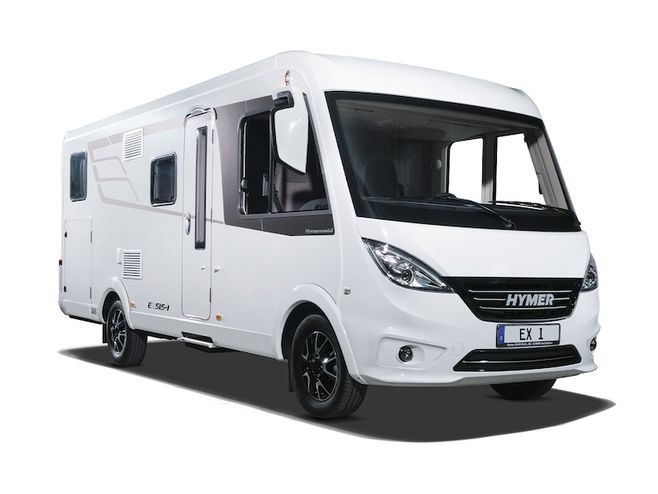
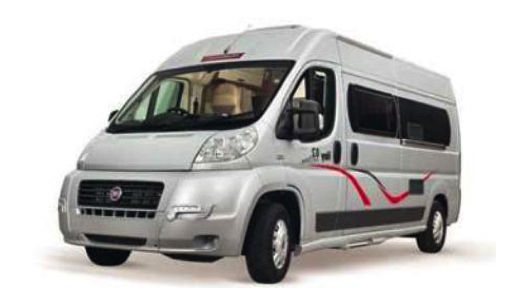
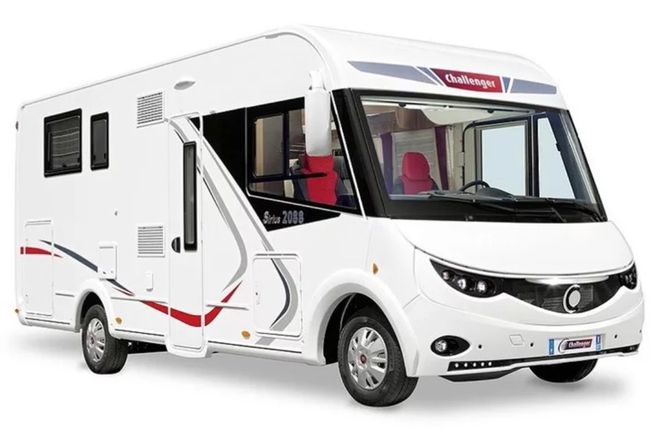
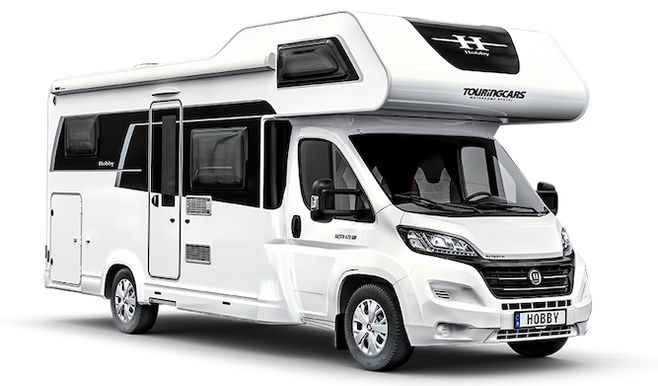
Types of vehicles to rent in Norway
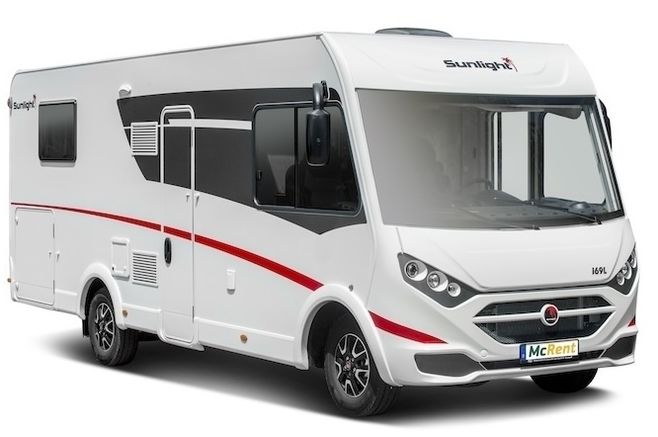
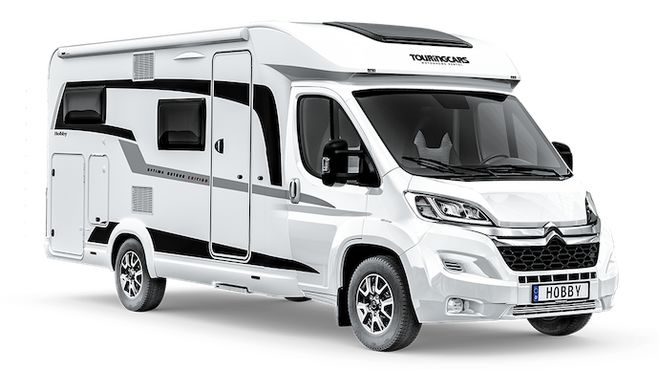
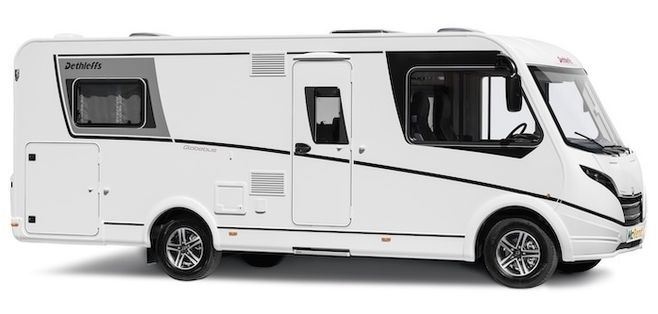
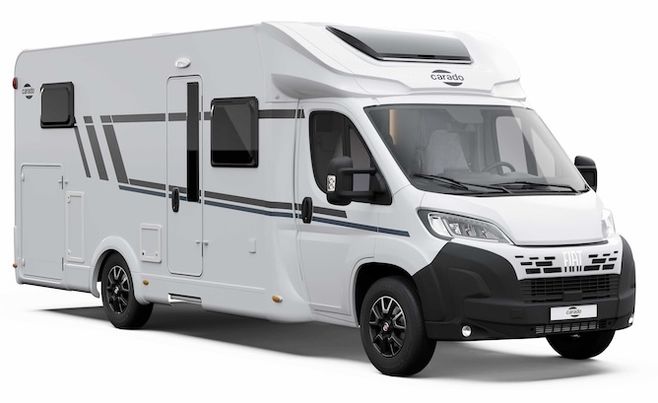
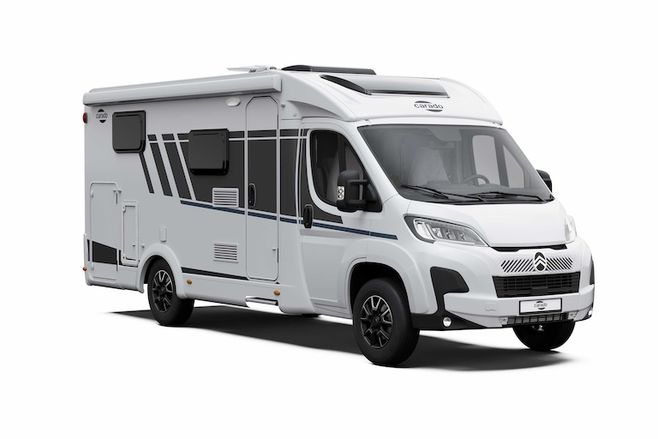
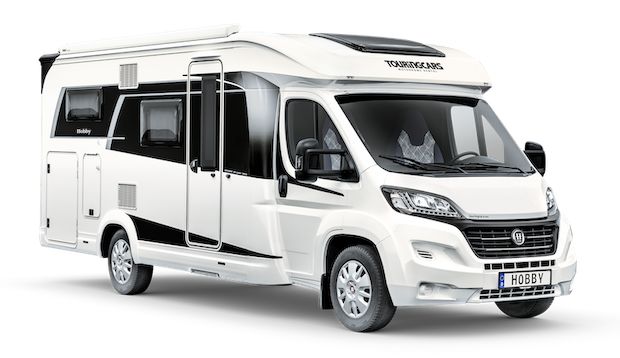
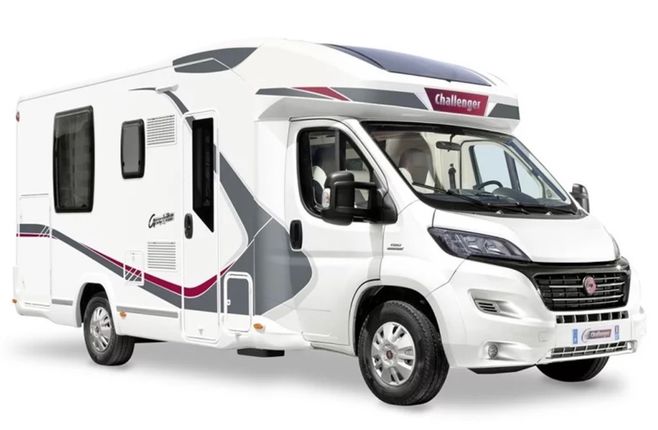
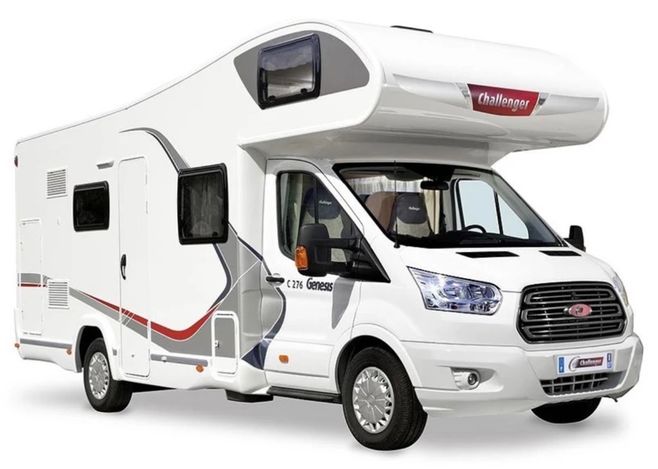
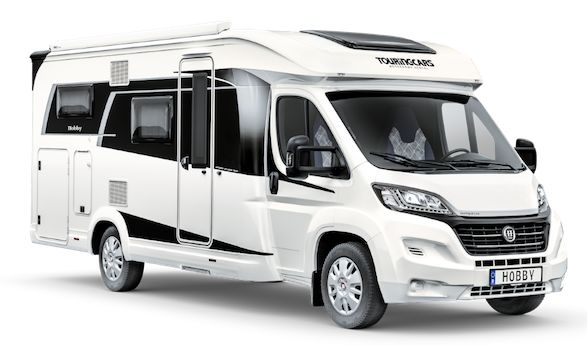
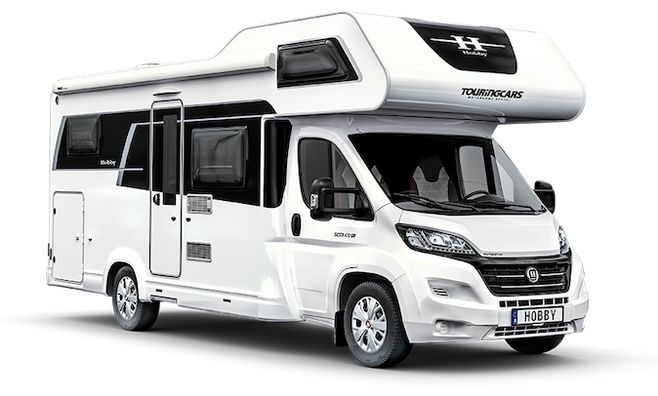
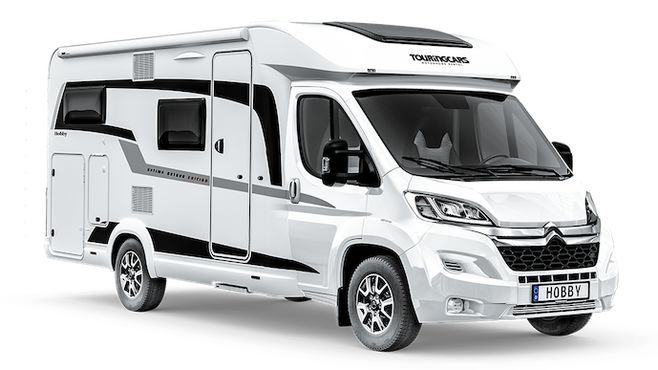
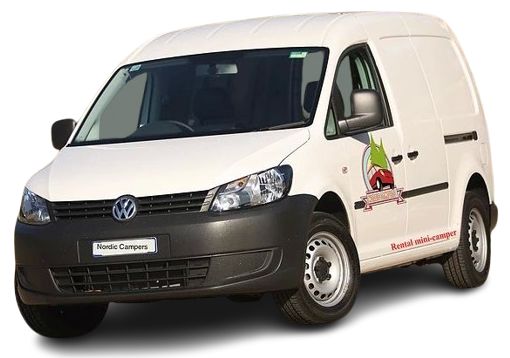
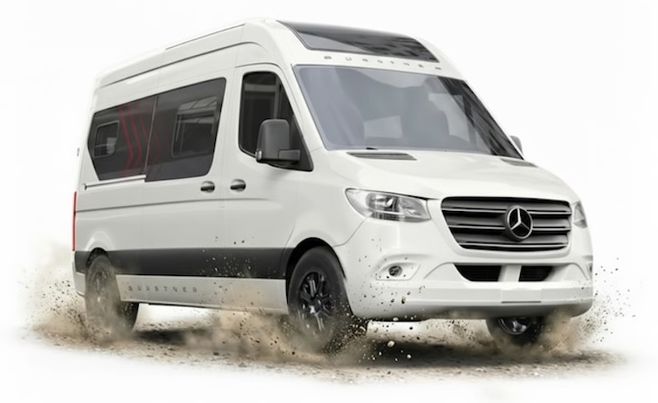
This list gives you a good overview of the offer of motorhomes, campervans, and other vehicles in Norway. Please note that not all of these vehicles are necessarily available at all rental agencies of our partners. To find out about the available vehicle options for your road trip, please use the search form at the top of this page. You can then filter the results by rental company, price, type of motorhomes, compare rental offers and their options, check availability, save your offers, and of course book online when your choice is made!
Traveling by campervan in the Lofoten Islands
In the Lofoten Islands, from Svolvær to Reine via Henningsvær, traveling by campervan or van allows you to enjoy the coastal roads, fjords, and fishing villages, while respecting stricter local regulations than in the rest of Norway.
Driving and regulations around Svolvær and Henningsvær
Between Svolvær and Henningsvær, the narrow roads of the E10 require careful driving in a campervan, with strict adherence to Norwegian speed limits, headlights on at all times, and special attention to bridges exposed to wind like the Gimsøystraumen bridge.
On the section of the E10 that crosses Leknes and leads to Å i Lofoten, campervans must stay on authorized lanes, avoid all unpaved tracks reserved for hikers, and respect areas where the kommune of Vågan or Vestvågøy has reinforced parking rules, particularly near Haukland Beach and Uttakleiv.
Sleeping in a van near Reine, Moskenes, and Å
Around Reine and Moskenes, wild camping in a campervan is more strictly regulated than in the rest of northern Norway, with clearly marked "No Camping" zones near the Moskenes harbor, the village of Å, and the parking lots leading to Reinebringen.
For nights in a van in the Lofoten Islands, it is often preferable to use established campsites near Ramberg, Fredvang, or Kabelvåg, which offer electric hookups, gray and black water disposal, and avoid frequent checks in scenic parking areas along the E10 between Svolvær and Reine.
Connecting and managing autonomy around Leknes and Ramberg
Near Leknes, several campsites and campervan areas along the Gravdal bay offer electric hookups compatible with Norwegian plugs and facilitate battery recharging after a day on the winding roads of the Lofoten Islands.
On the seaside near Ramberg and Flakstad, it is advisable to take advantage of the facilities of official campsites to connect rather than relying on small beach parking lots, often unequipped with electricity and sometimes limited to day-use vehicles only.
Local tips & safety near Haukland, Uttakleiv, and Reinebringen
Around the beaches of Haukland and Uttakleiv, where the winds of Vestvågøy can be strong, it is safer to park your van sheltered in authorized areas rather than setting up on exposed shoulders facing the North Atlantic.
Starting from the parking lot of Reinebringen, near Reine, campervans must consider the influx of visitors, regular checks by local authorities, and the risks of prolonged ice in spring, planning for suitable tires and avoiding blocking emergency access.
Respecting nature on the trails of Kvalvika and around Nusfjord
On the trail leading to Kvalvika beach from Fredvang, it is prohibited to push your van off the official parking lots, and it is important not to camp in a campervan in areas reserved only for tents, which are closely monitored in high season.
In Nusfjord, one of the oldest fishing villages in the Lofoten Islands, overnight parking in a van must be done in the areas designated by the village and not on access roads to the harbor or near the rorbuer, in order to preserve the tranquility and landscape of this historic site.
Weather, season, and conditions on the E10 between Svolvær and Å
In winter on the E10 between Svolvær, Leknes, and Å, snow squalls and ice require a well-equipped campervan with winter tires and possibly chains, as some exposed sections like those around Gimsøy and Flakstadpollen are regularly swept by the wind.
In summer, particularly around Henningsvær and Reine, tourist traffic makes parking more controlled, and it is wise to plan your nights in a van at campsites or official areas to avoid fines and protect the iconic landscapes of the Lofoten Islands.