
Namibia rarely works like a country where you pick up a vehicle from any corner shop. After this article, you'll know where to collect your keys, what documents to carry, and why many Nomads prefer to start their journey a little further south, in South Africa.
Renting a campervan in Namibia: what to know before booking
Most rental agencies are based in Windhoek, the capital, where depots and maintenance workshops cluster. Some operators do offer other cities as pickup or dropoff points, but here's the catch: these aren't proper offices. No counter, no reception hall—just a meeting point arranged with you in advance. Worth knowing before you plan your itinerary around a specific town.
Another very common habit among travellers preparing a Namibia tour: starting the road trip from South Africa, where the vehicle selection is slightly broader. It also lets you tick off two countries without flying back through the airport.
On paperwork, bring a valid passport and a visa if your nationality requires one—the rules vary by country of residence, so check with the relevant Namibian embassy. For your driving licence, an international driving permit is recommended depending on where yours was issued: some national licences work fine, others don't, especially those written in a non-Latin alphabet.
The Nomad tip
If you're starting from South Africa, book your Namibian dropoff point weeks or even months ahead. These aren't staffed offices, and a badly timed handover could cost you half a day of driving.
Standard campervan or 4x4: which vehicle for Namibia
This choice settles itself before you even look at routes: on C and D roads, low ground clearance shows no mercy. These are gravel tracks, sometimes corrugated, sometimes gouged with deep ruts after rain—a standard low-slung campervan has no business there once you leave major tarmac routes like the B1 between Windhoek and Swakopmund.
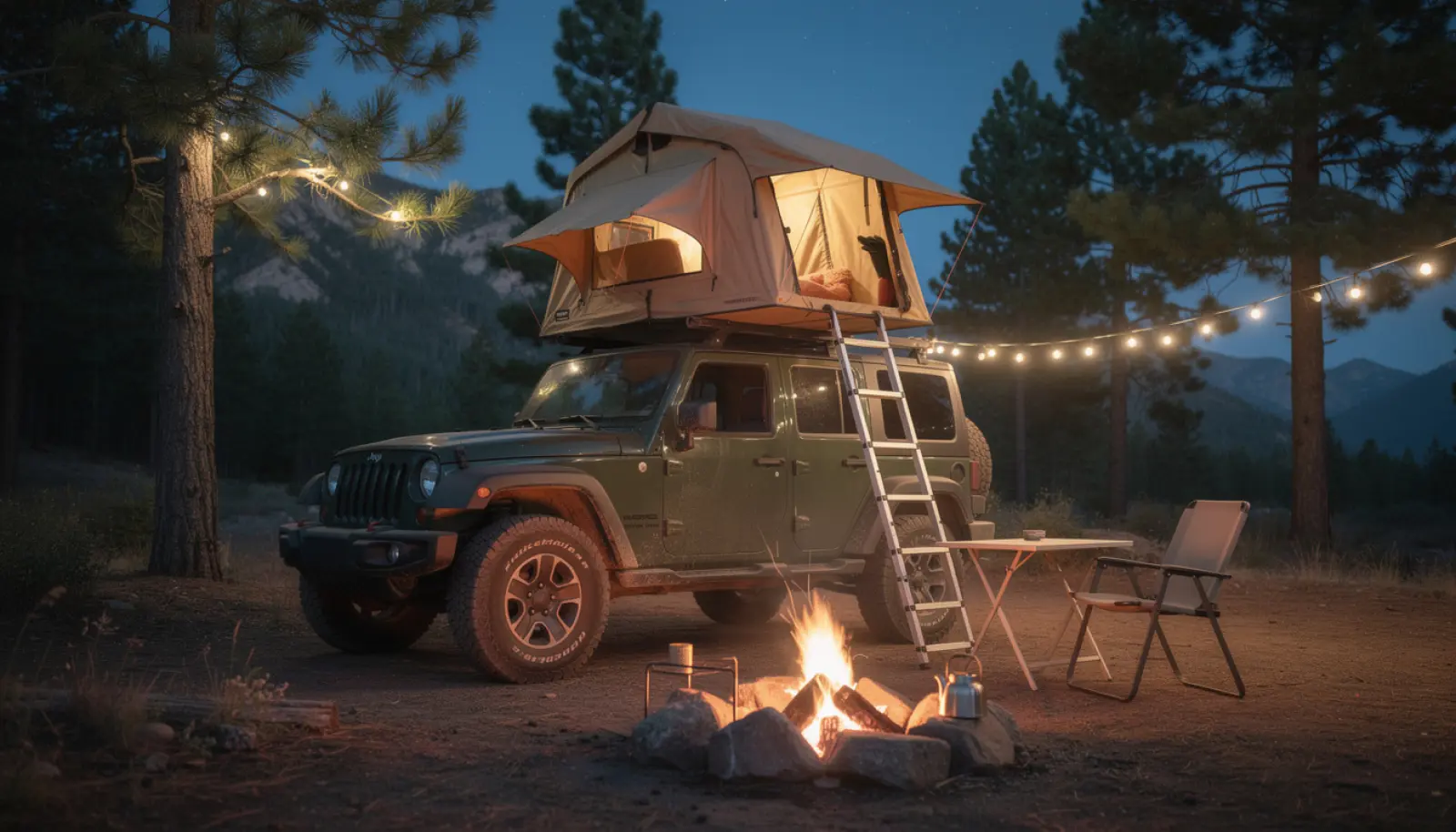
For Sossusvlei, Etosha, or Damaraland, the standard among Namibian rental firms is a van or fitted 4x4, with reinforced tyres built to handle extended dirt driving. Many operators fit these vehicles with a dual spare wheel—a detail that matters more than it sounds when the nearest garage is two hours of track away.
In other words: if your route stays on tarmac between major towns, a standard vehicle might do. The moment Sossusvlei or Etosha enters the picture, it's worth not skimping on ground clearance.
Which vehicle for this trip?
For a Namibia circuit that includes gravel tracks and parks like Etosha or Sossusvlei, our fitted vans with reinforced ground clearance and dual spare wheel are built for this terrain. A safer choice than a standard van the moment you leave the tarmac.
From 72 €/day
Driving in Namibia: tracks, distances, and fuel
Namibian tarmac covers just a few main routes—the B1, the B2 between Windhoek and Swakopmund, a few southern links. Everything else, the vast majority of a typical circuit, is gravel track. Generally well maintained, but corrugated in patches, which shakes the van and tests your patience if you push the speed. Speed limits are typically 120 km/h on tarmac and 80 km/h on gravel—limits you'll respect all the more willingly because a skid on corrugated track happens fast.
Fuel stations thin out between stages. An extra jerry can in the back isn't a luxury, nor is a water reserve: better to plan generously than run dry mid-track. Think in driving stages of two to four hours, no more—the Namibian campervan moves slowly, and that's fine for watching the landscape.
One rule you don't negotiate: never drive at night. Kudus and springboks cross without warning, often at dusk, and a 100 km/h collision with a kudu isn't a minor incident.
The Nomad tip
Plan your stages to arrive at the campsite at least an hour before sunset. In Namibia, nightfall is rapid, and hunting for your pitch in the dark on a poorly marked track isn't pleasant.
When to go: dry season or green season
May to October, no question. That's the dry season, when vegetation thins around waterholes and animals bunch there—a real advantage at Etosha, where you can spend hours watching a single waterhole rather than stalking wildlife through thick bush. Tracks are passable, dry, and a well-prepared van handles them without drama.
Green season, November to April, has its fans: the landscape turns green, storm skies are dramatic, rental rates often drop. But let's be honest: it's the least convenient for campervan travel. Rain can make certain tracks impassable overnight, and rivers usually dry transform into water courses no rental vehicle should attempt. An itinerary timed exactly to this period needs flexibility—and a real tolerance for the unexpected.
Our take: if Etosha and the big Damaraland tracks are on the agenda, aim for the dry season without hesitation. Green season is defensible for a shorter circuit sticking to tarmac, but it's clearly not the window to choose for your first Namibia campervan tour.
Budget and duration for a campervan circuit
Allow two to three weeks for a classic circuit: Windhoek—Sossusvlei—Swakopmund—Damaraland—Etosha—return to Windhoek. Most Nomads discovering Namibia follow this route, and it leaves time to digest the distances without stringing together long dirt-track days.
Budget splits between two main items: vehicle rental and fuel, priced according to your agency and the season. Add to that park entry fees—Etosha and Namib-Naukluft especially—paid each time you pass and factored in when you plan, not when you hit the gate.
One thing demands your attention before you even leave: booking campsites during high season. Within Etosha, NWR (Namibia Wildlife Resorts) pitches fill fast, and arriving without a reservation in July or August might force you to extend a stage or camp further from the park than you'd hoped.
The Nomad tip
Book your Etosha nights as soon as your circuit dates are set, ideally several months ahead in high season. NWR campsites inside the park beat the periphery options by far: you hear animals at night, sometimes spot them at the lit waterhole by camp.
Frequently asked questions about campervan rental in Namibia
Do you need a 4x4 to travel Namibia by campervan?
Not necessarily. On tarmac—the B1, B2, southern links—a standard vehicle gets around fine. The moment your itinerary includes Sossusvlei, Etosha, or Damaraland, gravel and sometimes corrugated tracks mean you need a van or fitted 4x4 with adequate ground clearance and ideally a dual spare wheel.
Can you rent directly in Namibia or do you have to start from South Africa?
Both work. Windhoek holds most Namibian rental agencies, but the range is smaller than on the South African side. Many Nomads start their circuit from South Africa, where vehicle choice is broader, then continue into Namibia without another airport run.
What documents do you need to drive a campervan in Namibia?
A valid passport, a visa if your nationality requires one, and a driving licence. Depending on where your licence was issued, an international driving permit is recommended or even necessary—especially if your national licence is in a non-Latin alphabet. Check the exact rule with the relevant Namibian embassy before you go.
Do you need to book campsites in advance?
Yes, particularly in Etosha. NWR pitches fill quickly in high season, and showing up without a booking in July or August might force you to sleep further from the park than planned. Book as soon as your circuit dates are fixed.
Is it possible to travel to Botswana with a Namibian rental vehicle?
This depends on your rental contract terms and the crossing formalities each operator sets. Ask your agency directly before booking if Botswana is part of your plan.
